

To get brand deals as a content creator, make your profile easy for a brand to evaluate, build a short media kit, list brands that already sell to your audience, and contact the person who runs their creator partnerships with a specific pitch. Then follow up, track every conversation, and agree on the scope before you quote a price. Creator marketplaces such as Meta's Creator Marketing Hub and TikTok One can bring inbound offers, but most first deals come from outreach. You do not need a large following: brands pay for audience fit, content quality, and reliability, which small creators can prove.
What counts as a brand deal
A brand deal is any agreement where a brand gives you money, product, or commission in exchange for content or promotion. Knowing the types helps you decide what to pitch and what to accept.
| Deal type | What you get | When it makes sense |
|---|---|---|
| Paid sponsored post | A flat fee for one or more posts | Your audience matches the brand and you can show past results |
| Affiliate partnership | A commission on each sale from your link or code | Your audience already asks where to buy what you use |
| Gifted collaboration | Free product, usually with an expected post | Early on, with brands you would genuinely feature anyway |
| Ambassador program | Recurring content over months, often fee plus product | A brand you have already worked with and trust |
| UGC content | A fee for videos the brand posts or runs as ads | You film well but prefer not to post on your own account |
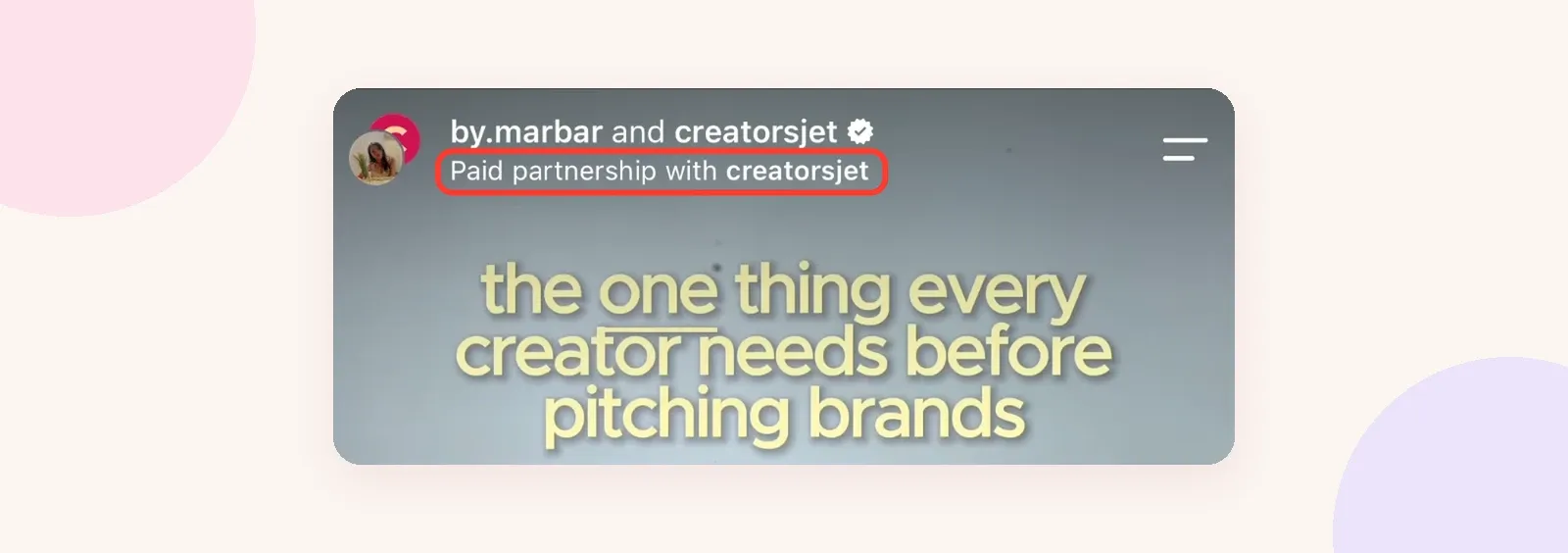
On Instagram, a paid sponsored post carries a "Paid partnership" label that names the brand. It is the clearest signal to other brands that you already do this work.
Do you need a big following to get brand deals?
No. Brands with small budgets often prefer nano and micro creators, because the cost per post is lower and the audience tends to be more focused. A creator with 5,000 followers in one clear niche, with comments that show real interest, can be an easier yes than a general account with ten times the reach.
What matters more than follower count:
- A clear niche. A brand should understand in a few seconds who you talk to.
- Engagement that looks real. Comments and saves from people in your niche count more than a high like count.
- Proof you can make sponsor-friendly content. Even unpaid examples of how you would feature a product help.
- Reliability. Replying on time and delivering what you promised is what makes a brand book you again.
Step 1: Make your profile brand-ready
Before you contact anyone, assume the brand will open your profile and decide in under a minute. Make that minute easy:
- A bio that states your niche and who you create for.
- Pinned posts that show your best work, ideally including one product-led piece.
- A contact email in your bio or contact button, not only "DM for collabs".
- Recent posts that match the niche you claim, without a long gap.
- Searchable keywords for your niche, and your city if it matters, in your name field and bio.
- A short line saying you are open to brand collaborations.
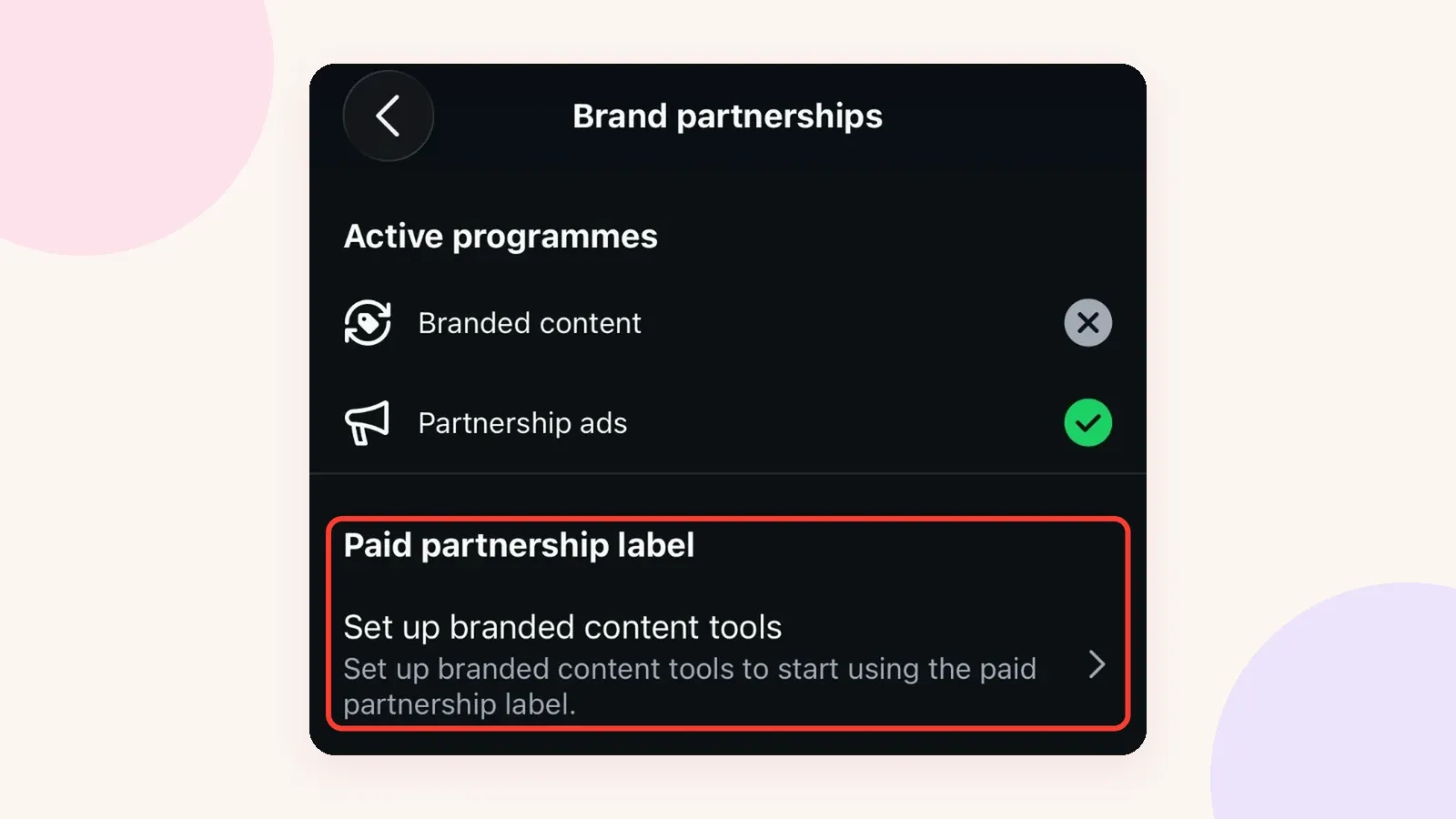
If you post on Instagram, set up the branded content tools now so you can add the paid partnership label as soon as you land a deal. They are in your Instagram settings, on the Brand partnerships screen.
Post content a brand could imagine paying for
A brand reads your recent posts as a preview of its own campaign. Before you pitch, make sure your profile already shows the formats brands usually ask for:
- Talking to camera. Many briefs ask for a face-to-camera review or explanation. If you only post voiceovers or B-roll, add a few videos where you speak on screen so a brand can judge how you come across.
- A product in use. Tutorials, routines, before-and-after clips, unboxings, or "what I use" videos show you can feature a product naturally instead of reading an ad.
- A clear hook and next step. Videos that grab attention in the first seconds and end with a simple call to action look ready for a sponsor's goals.
- Clean basics. Good light, clear audio, and readable captions matter more than expensive gear.
- A brand-safe tone. Frequent controversy, aggressive language, or exaggerated claims make brands hesitate, even when engagement is high.
Step 2: Build a media kit
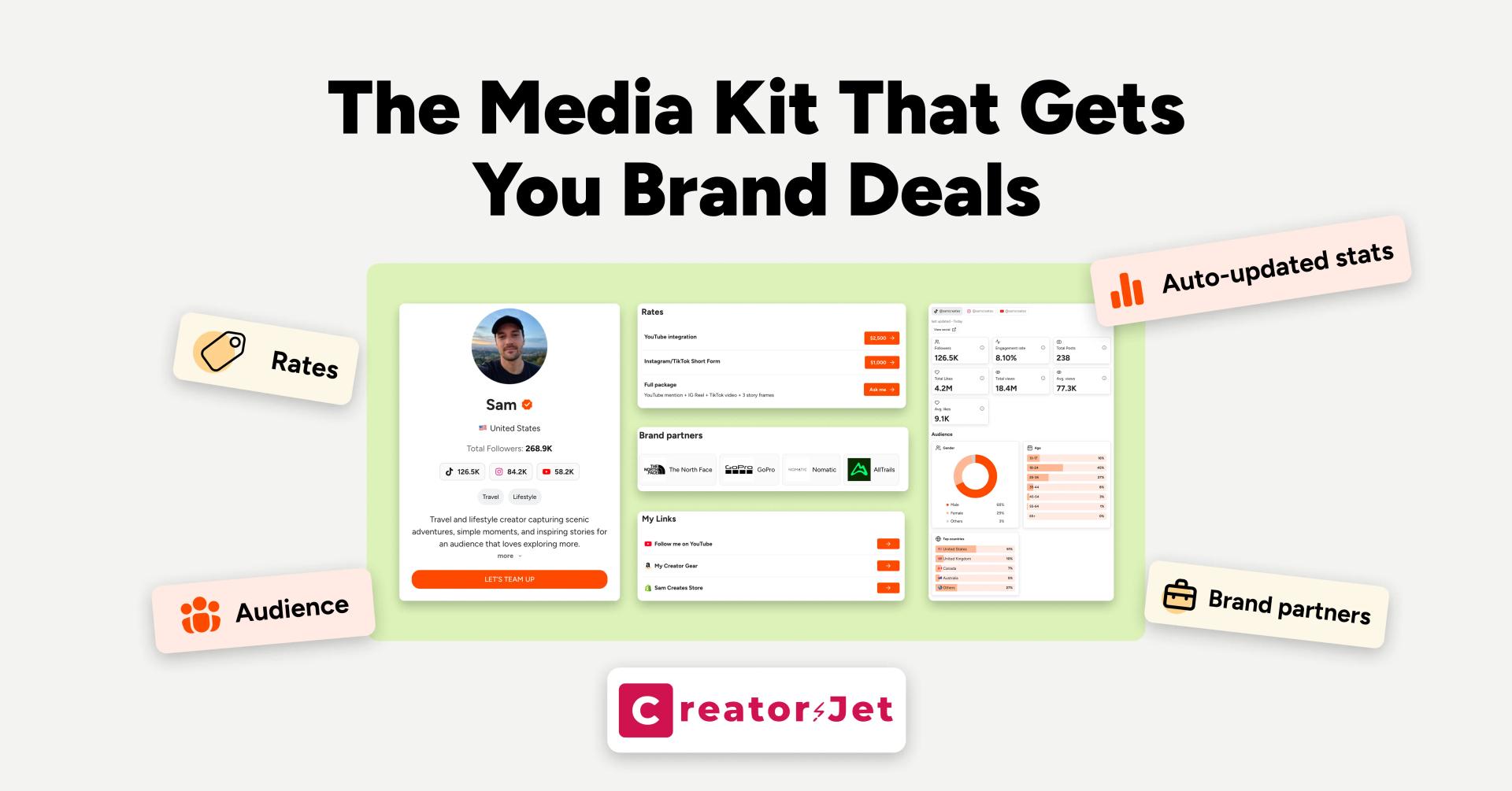
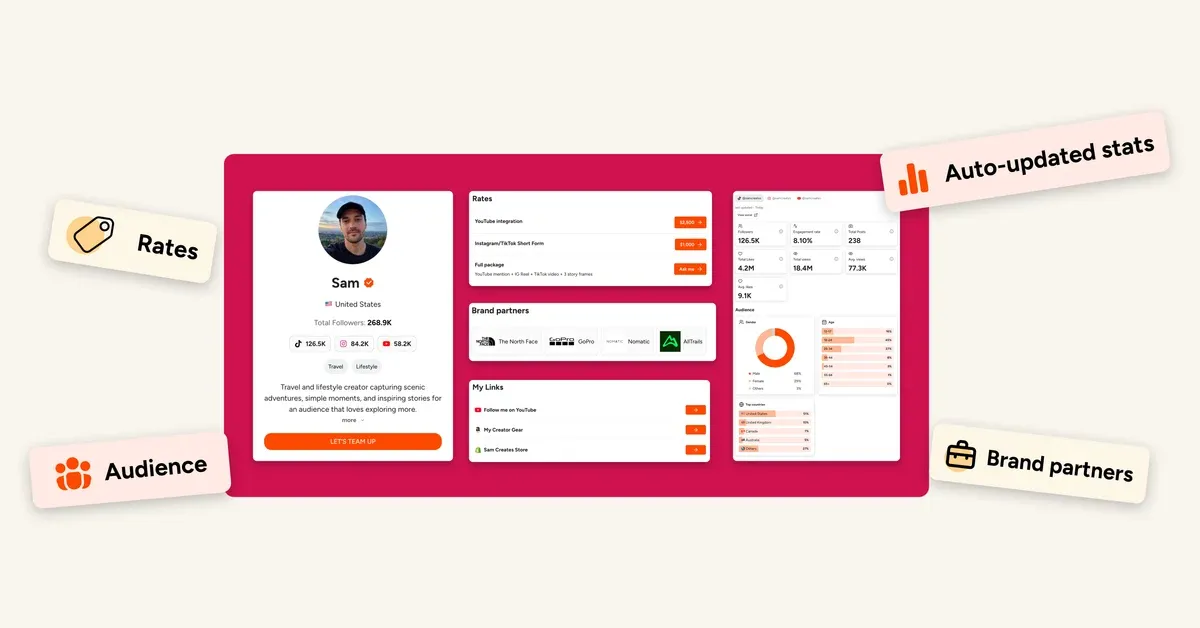
A media kit is a one-page summary a brand can forward to a manager. It should answer the questions a brand would otherwise have to ask:
- Who you are and what you create, in two lines.
- Followers and average views per platform, with the date the numbers were taken.
- Audience location, age, and gender, from your platform analytics.
- Past brand partners or examples of product-led content.
- The formats you offer, such as Reels, TikToks, Stories, or UGC videos.
- A starting rate or "rates on request", and how to contact you.
Keep it current. A kit with last year's numbers makes a brand wonder what changed. An influencer media kit that updates your stats automatically solves that without redoing the file every month.
No brand partners yet? Show proof another way: one or two product-led posts about things you already use, results from your affiliate links, or a gifted collaboration delivered as carefully as a paid brief. A brand mainly wants to see that you can feature a product naturally.
Step 3: Make a list of brands that fit
The best first targets are not the biggest brands. They are brands that already sell to people like your audience and already work with creators. Build a list of 20 to 30 from these sources:
- Products you already use. You can speak about them honestly, and your audience has probably seen them in your content.
- Brands sponsoring creators near your size. Check the "Paid partnership" labels and #ad posts of creators in your niche. Those brands have a budget and a process.
- Competitors of brands you have worked with. If one skincare brand paid you, others in the category have the same goal.
- Small and growing brands. They decide faster and often reply directly. The guide on how to find small brands that work with creators covers where to look.
For each brand, note one reason it fits your audience. You will use that line in the pitch.
Before you pitch, make your name familiar to the brand. Follow its accounts, leave thoughtful comments, and tag it when you genuinely feature its product. Social teams watch their tags, so a pitch from a creator they have already noticed is easier to answer.
Step 4: Use creator marketplaces and agencies
Marketplaces and agencies let brands find you, and some let you apply to campaigns. They rarely replace outreach, but they add inbound opportunities with little extra work.
| Marketplace or channel | How it works | What you need |
|---|---|---|
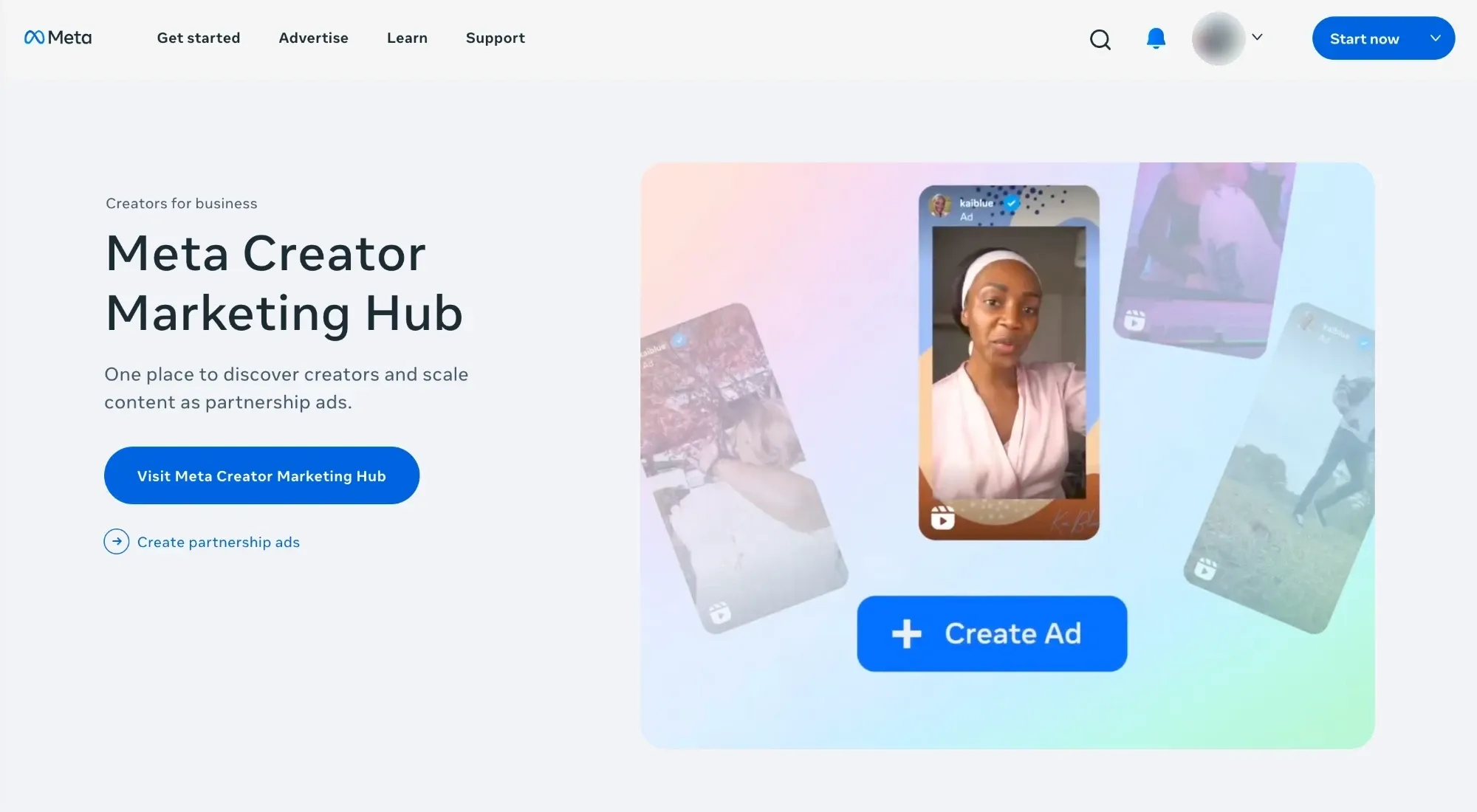
| Meta Creator Marketing Hub | Brands search Instagram and Facebook creators and contact them through partnership messages | An Instagram professional account, creator or business |
| TikTok One Creator Marketplace | Brands invite creators to campaigns, and creators can apply to open projects | At least 18, in a supported region, 1,000+ followers for projects |
| Independent marketplaces | Platforms such as Collabstr or Aspire list creator profiles or open campaigns | A profile with rates and examples |
| Influencer marketing agencies | Agencies run campaigns for several brands and keep lists of creators to book | A media kit and a short intro email to their talent team |
Meta's hub, which merged Creator Marketplace and the Partnership Ads Hub, is where brands browse Instagram creators. Keeping your professional account complete and your branded content tools set up makes you easier to find there.
On TikTok, register from TikTok Studio or by searching for TikTok One in the app. TikTok's guide on how creators can join TikTok One lists the current requirements by region. After you join, add your rates, languages, and industries so brands can filter you in.
Step 5: Find the right person to contact
A pitch sent to a generic inbox often goes nowhere. Most brands that work with creators have someone whose job is creator partnerships, with a title such as influencer marketing manager, creator partnerships lead, or brand partnerships manager. At small brands, it is often the founder or the social media manager.
Ways to find that person:
- LinkedIn. Search the brand name plus "influencer" or "partnerships".
- The brand's website. Look for a creators, ambassadors, or press page with a dedicated email or form.
- Instagram. Some brands list a partnerships email in their contact button.
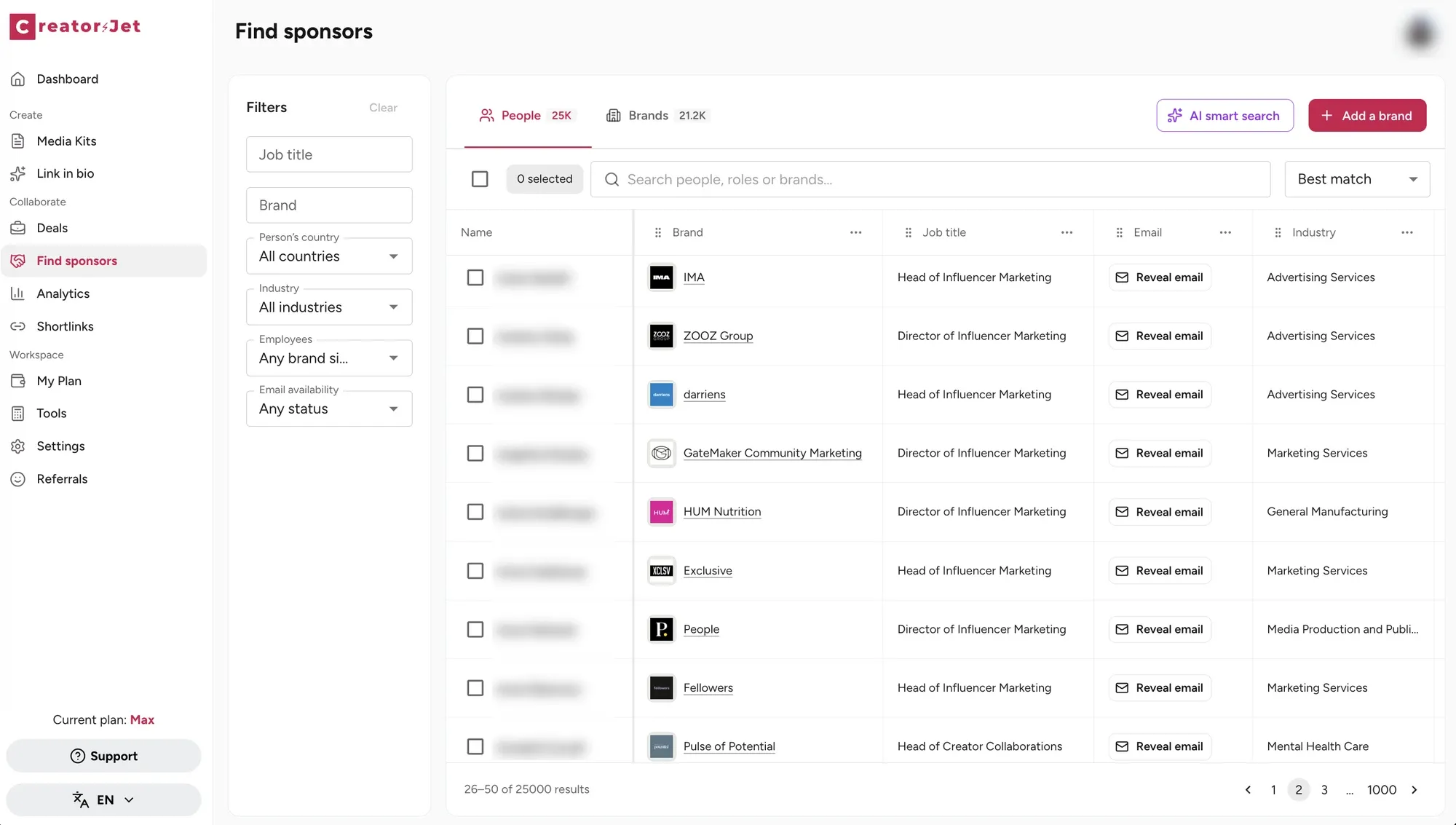
- A contact database. A tool such as CreatorsJet's Find sponsors lists influencer marketing contacts at brands, with their job titles and emails, which saves hours of searching when you pitch at volume.
If no individual is listed, a brand's ambassador application form or partnerships email is still better than a DM to the main account.
Step 6: Send a pitch that is about the brand
Brands receive many generic pitches. A short, specific email stands out because it shows you have thought about their product and their customer. Keep it under 150 words and include:
- One line on why this brand, using the note from your list.
- Who your audience is, with one or two numbers.
- One concrete content idea.
- Your media kit link and a clear next step.
Here is a template to adapt:
Subject: [Your niche] content idea for [Brand]
Hi [First name],
I'm [Name], a [niche] creator on [platform]. [One specific line about why you like the product or how you already use it.]
My audience is mostly [age range] in [main countries], and my Reels average [X] views. They often ask about [problem the product solves].
Idea: [one sentence describing the post, for example a 30-second routine showing the product in daily use].
My media kit with rates and past work is here: [link]. Would you be open to a quick chat about a collaboration this [month or season]?
[Name]
Send from a professional email, attach nothing heavy, and pitch a handful of brands each week rather than fifty in one day.
Step 7: Follow up and track every pitch
Many deals come from the follow-up, not the first email. Brand inboxes are busy, and a polite reminder is normal. Wait five to seven working days, then send one short follow-up that adds something new, such as a recent post that performed well. If there is still no reply after a second follow-up, move on and try again in a few months. The guide on how to follow up with a brand after sending a pitch includes timing and examples.
Here is a short follow-up to adapt:
Subject: Re: [Your niche] content idea for [Brand]
Hi [First name],
Just following up on my idea for [Brand]. Since my last email, [a recent post or result, for example a Reel that reached X views].
Happy to adapt the idea to whatever you are planning this [month or season]. My media kit is here: [link].
[Name]
For a creator's view of how this plays out, Modern Millie, who says she has earned more than $500,000 from brand collaborations, shares seven lessons from her deals in the video below. Two match this step closely: she estimates roughly one reply for every ten pitches, and one of her early partnerships only came after a third follow-up.
Once you pitch more than a few brands, keep every conversation in one place. A simple pipeline shows who you contacted, who replied, which deals are in negotiation, what is in production, and who still owes you payment.
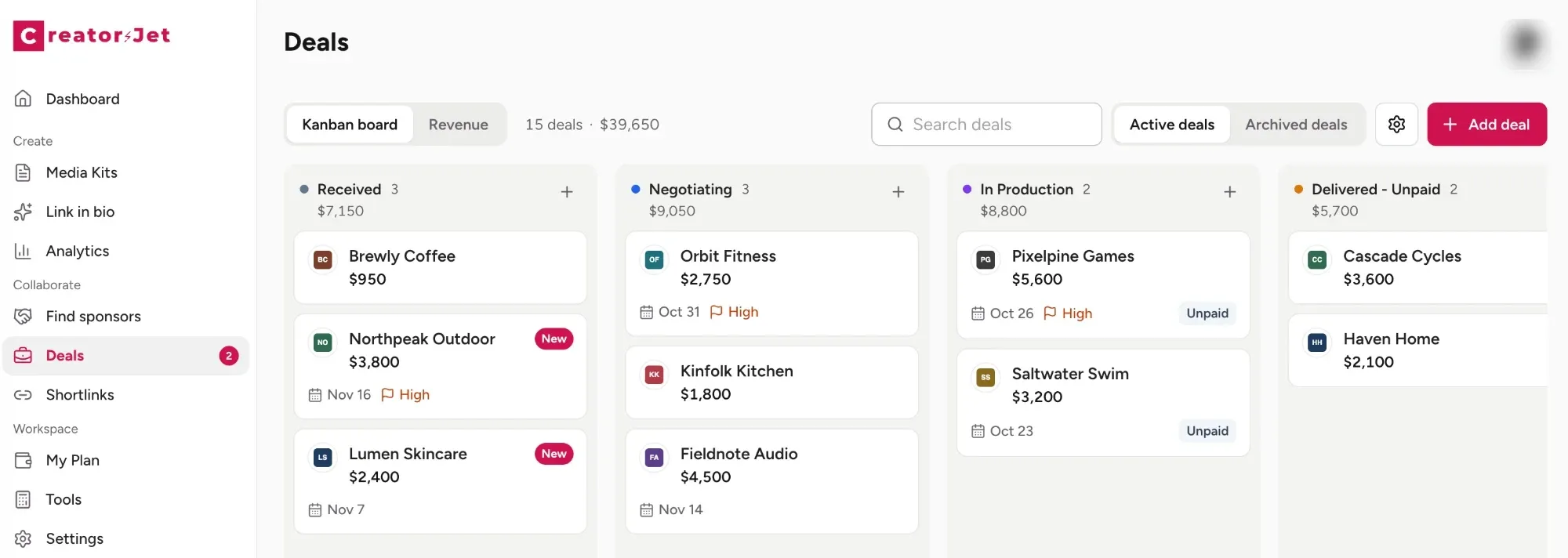
A spreadsheet works too. What matters is that no reply, deadline, or unpaid invoice gets lost.
Step 8: Agree on the scope before you quote
When a brand says yes, it will usually ask for your rate. Before you answer, make sure you know exactly what it is buying:
- Deliverables. Platform, format, and number of posts, Stories, or videos.
- Timeline. Draft date, review window, and posting date.
- Revisions. How many rounds are included.
- Usage rights. Whether the brand can reuse the content on its own channels or in ads, and for how long.
- Exclusivity. Whether you are blocked from working with competitors, and for how long.
- Payment. Amount, currency, and payment terms, such as 50% upfront or net 30.
Usage rights and exclusivity change the price, so quote them separately from the content fee. For rate benchmarks by platform and audience size, see the analysis of influencer rates by platform and follower count. Put the final terms in writing before you film, even if it is a short email the brand confirms.
Step 9: Deliver, disclose, and report
The first deal is your audition for the second. Send drafts on time, follow the brief without losing your style, and flag problems early.
Disclose every paid or gifted partnership clearly. Use the platform's paid partnership label and a plain disclosure such as "ad" or "sponsored" near the start of the caption or video. The FTC's disclosure guide for social media influencers explains the principles, and many countries apply similar rules.
A week after the content goes live, send a short recap: views, reach, engagement, link clicks or code uses, and one sentence on what performed best. Few creators do this, and it is often what turns a one-off post into a repeat booking.
Common mistakes that cost creators brand deals
- Waiting to be discovered. Marketplaces help, but most first deals come from pitching.
- Sending the same pitch to every brand. If the email could be sent to any company, it reads like spam.
- Pitching brands that do not fit. A mismatch wastes the brand's time and yours.
- Quoting before knowing the scope. A low price for "one post" can quietly include ad rights and exclusivity.
- Skipping the follow-up. Many replies only arrive after a polite reminder.
- Going quiet after the campaign. No recap means no proof for the next pitch.
Turn your first deal into a system
Getting brand deals is less about luck than about repetition. A brand-ready profile and a current media kit make you easy to evaluate. A list of brands that fit, the right contact, and a specific pitch get you replies. Follow-ups, a clear scope, and a recap after each campaign turn those replies into paid work and repeat bookings. Run the same process every week, and each deal makes the next pitch easier.