

Micro-influencers are still valuable in 2026, but not because every small creator magically outperforms a celebrity. They work when the brand needs trust, niche context, repeatable content, and community proof more than broad awareness.
This list keeps the same five brands from the original article: Glossier, Mejuri, HelloFresh, BarkBox, and Cuyana. The useful question is not only which brands like micro-influencers. It is which creator would make sense for each brand, what angle they should pitch, and what proof would make the brand say yes.
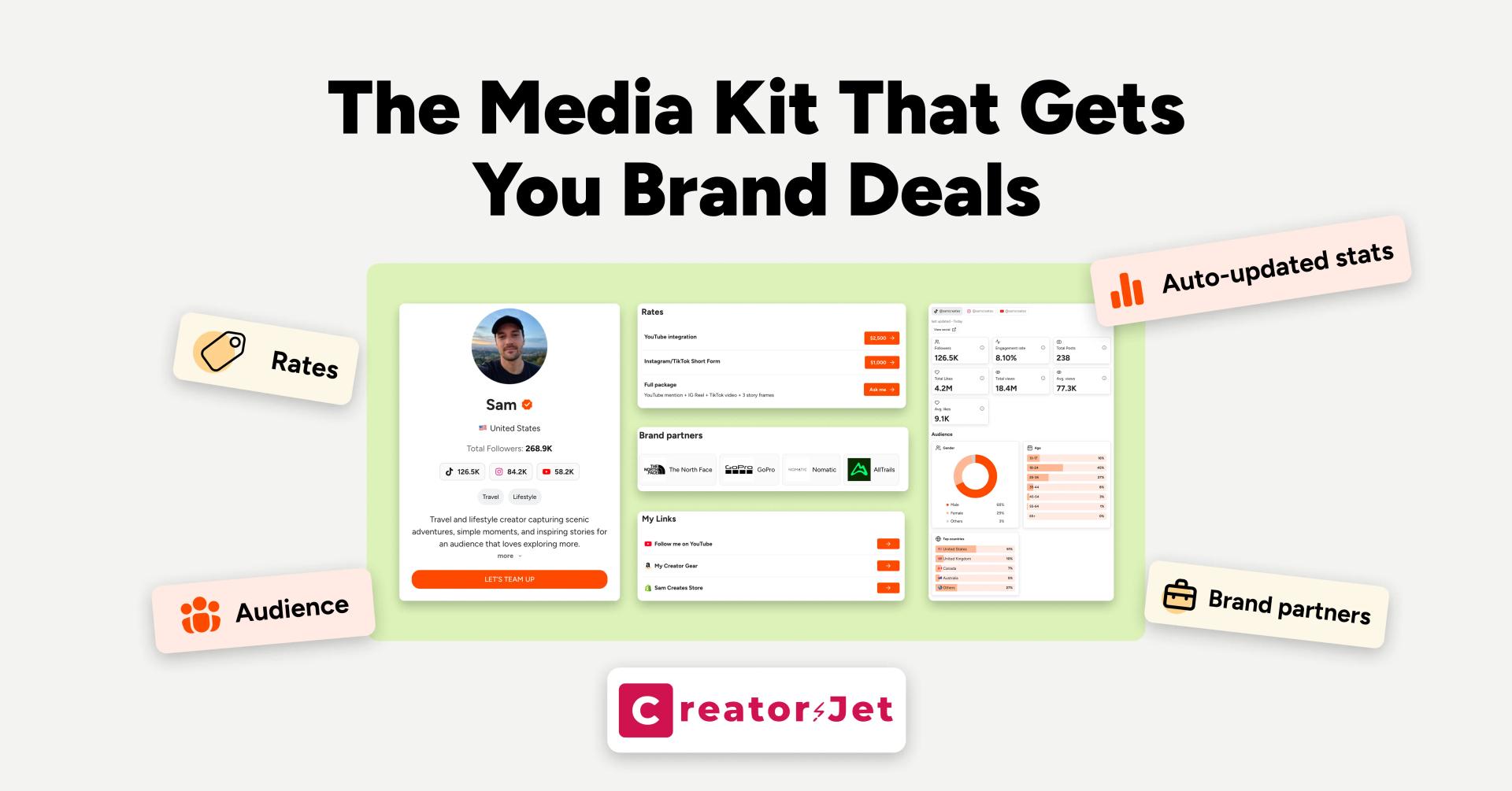
If you are preparing outreach, keep a clean influencer media kit ready with audience fit, platform performance, past examples, and contact details. For pricing, your offer should also separate gifted product, affiliate commission, usage rights, and paid deliverables instead of mixing everything into one vague collaboration request.
Why micro-influencers still matter in 2026
A micro-influencer usually sits around 10,000 to 100,000 followers, but follower count is not the real reason brands care. Brands care because smaller creators often have a clearer niche, more direct audience feedback, and content that feels closer to a recommendation than an ad.
Micro-influencers are especially useful when a brand wants to:
- Test a product with a specific audience before scaling.
- Collect authentic UGC-style content for paid ads, email, product pages, or social proof.
- Reach communities where trust matters more than reach.
- Turn creator content into measurable clicks, saves, codes, affiliate sales, or customer questions.
- Build repeated mentions instead of one expensive launch post.
The best pitch does not say, "I am a micro-influencer." It explains why your audience, content format, and proof make you a low-risk test for the brand.
1. Glossier: beauty content built around real routines
Glossier is a natural example for micro-influencer marketing because its brand has always leaned on community, product discovery, and everyday beauty routines. Beauty audiences often trust creators who show texture, skin type, shade matching, repeat use, and honest product context.
Best fit for: skincare creators, makeup creators, GRWM accounts, minimalist beauty creators, acne or sensitive-skin communities, and creators who can explain products without sounding scripted.
Why micro-influencers work here: a smaller beauty creator can make the recommendation feel personal. A product mention is more credible when it sits inside a real morning routine, empties video, shade comparison, or "what I actually repurchased" format.
Pitch angle: do not pitch a generic beauty review. Pitch a specific content concept such as "one week of no-makeup makeup for humid weather" or "three products I keep in my travel pouch."
Proof to include: average views on beauty videos, saves on tutorials, product-question DMs, comments about skin concerns, and examples where followers asked for links or shade names.
2. Mejuri: jewelry that needs trust and everyday styling
Mejuri is a good fit for micro-influencers because jewelry buying is personal. People want to see scale, wear, stacking, outfit context, and how pieces look outside polished product photography. Mejuri also gives creators a direct partnership route through its official affiliate and influencer request contact.
Best fit for: fashion creators, capsule wardrobe creators, bridal or gifting creators, minimalist lifestyle creators, workwear creators, and creators whose audience asks about accessories.
Why micro-influencers work here: a smaller creator can show the product in repeated outfits, not just a one-time unboxing. That helps the brand see how the jewelry fits into real daily life.
Pitch angle: focus on styling and repeat wear. Good examples include "seven days of gold hoops," "how I stack necklaces for work," or "gift ideas under one clean style theme."
Proof to include: saves on outfit posts, affiliate clicks, replies to shopping links, audience demographics, and past fashion or jewelry content performance.
3. HelloFresh: routines, family moments, and easy product proof
HelloFresh is one of the clearest brands for micro-influencers because the product naturally creates content: choosing recipes, cooking, plating, family dinners, budget routines, student meals, fitness meal planning, and weeknight time-saving. The brand also has an official HelloFresh influencer program built for creators at different levels.
Best fit for: food creators, parents, students, wellness creators, fitness creators, busy professionals, lifestyle vloggers, and creators whose audience likes practical routines.
Why micro-influencers work here: meal decisions are personal and repetitive. A creator with a focused audience can make the product feel useful instead of promotional.
Pitch angle: show a repeatable routine, not just a discount code. Examples: "three dinners I can cook after filming all day," "meals for a family weeknight," or "budget-friendly cooking when I do not want takeout."
Proof to include: food video views, saves on recipes, comments about meal planning, Story link clicks, and content examples where viewers asked for ingredients or routines.
4. BarkBox: niche pet communities that convert through emotion
BarkBox works well with micro-influencers because pet content is emotional, visual, and highly niche. Dog owners follow creators for breed-specific tips, routines, funny reactions, enrichment ideas, and product recommendations that feel tested in real life. BarkBox also runs a public BarkBox affiliate program for partners who can help convert traffic into subscriptions.
Best fit for: dog accounts, pet parents, breed-specific communities, trainers, pet wellness creators, family lifestyle creators, and creators whose pet is already a recurring character.
Why micro-influencers work here: a small pet account can have unusually high trust because the audience feels attached to the animal. The product also creates natural reactions, unboxings, and repeat monthly content.
Pitch angle: pitch the pet's personality. A reactive toy test, themed unboxing, breed-specific enrichment routine, or "what kept my dog busy while I worked" is easier to evaluate than a generic pet-product mention.
Proof to include: pet video views, comment rate, repeat viewers, saves on pet-care posts, audience location, and examples of followers asking about toys, treats, or routines.
5. Cuyana: premium minimalism needs creator alignment
Cuyana is different from the other brands on this list because the product is not loud. Its public positioning is built around "fewer, better" pieces, premium materials, and intentional design, which means creator fit matters more than volume. A creator who makes overconsumption content is probably a weaker fit than one who teaches capsule wardrobes, travel packing, workwear, or slow fashion.
Best fit for: minimalist fashion creators, capsule wardrobe creators, professional lifestyle creators, travel creators, slow-fashion voices, and creators who can show long-term use.
Why micro-influencers work here: premium accessories benefit from context. Smaller creators can explain why a bag, pouch, or wardrobe staple earns a place in a limited closet.
Pitch angle: connect the brand to an intentional-use story. Examples: "what fits in my work bag," "one travel capsule for a three-day trip," or "how I choose fewer accessories that go with everything."
Proof to include: saves on capsule wardrobe posts, audience income or lifestyle fit, shopping-link replies, content quality, and examples of thoughtful product storytelling.
What these five brands have in common
These brands are in different categories, but they all reward creators who make the product feel natural. They are not ideal for creators who send the same message to every brand.
A practical micro-influencer pitch should include:
- Audience fit: who follows you and why the brand belongs there.
- Content idea: one specific post, series, or integration concept.
- Proof: two or three metrics that match the brand goal.
- Offer: deliverables, timeline, usage rights, and whether the first test is gifted, affiliate, paid, or mixed.
If you need help packaging that proof, a media kit should make your niche, rates, past work, and campaign results easy to scan.
Quick match guide
- Beauty routines and product discovery: Glossier.
- Everyday styling and gifting: Mejuri.
- Food, family, wellness, and routines: HelloFresh.
- Pet personality and subscription unboxings: BarkBox.
- Minimalist fashion, workwear, and travel capsules: Cuyana.
The best brand for a micro-influencer is not always the brand with the biggest name. It is the brand where the creator can make the product feel obvious to the audience.
Final takeaway
Micro-influencer partnerships work when the creator is not just smaller, but more specific. Glossier, Mejuri, HelloFresh, BarkBox, and Cuyana all give creators different angles, but the winning pitch follows the same logic: clear audience fit, useful content idea, credible proof, and a simple commercial offer.