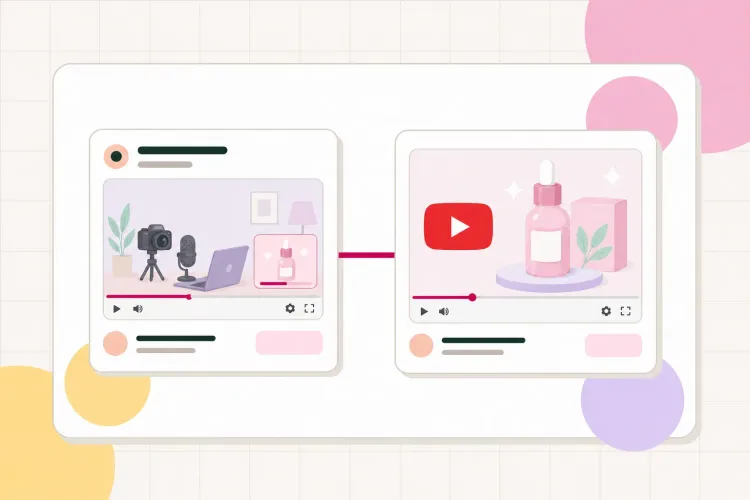
A brand can ask for “a YouTube sponsorship” while picturing a 60-second mention inside a normal upload, a full product review, or a video built entirely around the product. Those are not interchangeable deliverables. YouTube sponsorship integration places the sponsor inside your existing editorial format; a dedicated sponsored video makes the brand the main subject of the video.
The right offer depends on the audience’s relationship with the topic, the amount of creative control the brand needs, the work involved, and what the brand wants to do with the finished content. A clear proposal names the format before discussing scope, timeline, or price.
What YouTube sponsorship integration means
A YouTube sponsorship integration is a paid brand segment placed inside a video that still has its own main topic. The creator introduces the product, explains why it is relevant, and usually gives the audience a next step such as a link, code, or trial offer.
The sponsor benefits from the creator’s existing context. A productivity creator might include a project-management tool in a workflow video. A gaming creator might demonstrate a headset during a setup or review. The surrounding video remains useful without the sponsor, which is why the integration has to fit naturally rather than interrupt the episode.
Common integration deliverables include:
- A defined placement, such as an opening, mid-roll, or closing segment.
- A minimum talking time or message checklist.
- Product demonstration, talking points, link, discount code, or call to action.
- One video, sometimes with a pinned comment or description link.
- Basic performance reporting after publication.
The creator usually keeps more editorial control than with a dedicated video, but the brand is buying a specific part of the upload. The proposal should make that part easy to identify.
What a dedicated sponsored video means
A dedicated sponsored video is built primarily around the sponsor, product, or campaign message. It might be a review, tutorial, comparison, unboxing, challenge, case study, or product-led story. The creator’s format and point of view still matter, but the sponsor is no longer a segment inside another subject.
That creates more creative responsibility. The creator may need to develop the concept, research the product, write a fuller outline, film more demonstrations, handle extra feedback, and make the title and thumbnail work without misleading the audience.
Possible dedicated-video deliverables include:
- A concept and outline or full script.
- A complete video with an agreed runtime or editorial structure.
- Product demonstrations, comparisons, claims review, or required scenes.
- Thumbnail and title coordination.
- Description links, pinned comments, chapters, or follow-up assets.
- Defined revision rounds, approval deadlines, and reporting.
A dedicated video can give the brand more attention, but it also asks the audience to spend more time with a commercial subject. The idea needs to be useful enough to earn that attention.
Integration vs. dedicated video: the practical difference
| Decision factor | Sponsorship integration | Dedicated sponsored video |
|---|---|---|
| Main subject | The creator’s normal video topic | The sponsor or product |
| Brand attention | A defined segment | Most or all of the video |
| Creative workload | Add a sponsor segment to an existing concept | Build and produce a sponsor-led concept |
| Audience risk | Lower when the fit is natural | Higher if the video feels like an advert |
| Brand control | Talking points and guardrails | Concept, claims, scenes, and approvals |
| Proposal needs | Placement, duration, message, CTA | Concept, runtime, production, revisions, usage |
The important distinction is not simply “short video versus long video.” A long integration can require more work than a short dedicated concept, while a simple dedicated tutorial can be easier than a complex mid-roll inside a highly produced episode. Scope is defined by the work and the rights, not only by the final runtime.
How the format changes your proposal
A proposal should let a brand understand what it receives, what the creator controls, and what decisions still need agreement. Use separate offer language for each format.
Integration proposal structure
For an integration, specify:
- The planned video topic or series and why the product belongs there.
- The placement and approximate duration of the sponsor segment.
- The claims, features, link, code, and call to action the brand needs covered.
- What the creator can say in their own voice and what requires approval.
- Publication window, description or pinned-comment placement, and reporting window.
- Exclusivity, usage rights, and revision limits if the brand requests them.
A useful line might read: “One 60–90 second mid-roll integration in a workflow video, including a product demonstration, tracked link in the description, pinned comment, and a performance report after 30 days.” That tells the brand what is being bought without turning the proposal into a vague promise of exposure.
Dedicated-video proposal structure
For a dedicated video, specify:
- The central concept and the audience problem it solves.
- The expected format, runtime range, and production approach.
- Product access, required claims, proof points, and any prohibited comparisons.
- Draft, review, and approval steps.
- Title, thumbnail, description, chapters, pinned comment, and other distribution assets.
- Usage rights, whitelisting, exclusivity, revisions, and reporting.
A dedicated offer might read: “One eight-to-twelve-minute tutorial showing how the product solves a defined workflow problem, including concept approval, one outline review, one final review, thumbnail coordination, tracked link, and 30-day reporting.”
The more the brand wants to direct the video, the more the proposal should separate creative development from the basic publication deliverable.
When an integration is the better offer
Offer an integration when:
- The product supports a topic your audience already expects from the channel.
- The brand wants efficient awareness, consideration, or traffic rather than ownership of the whole story.
- The product can be shown clearly in a short segment.
- The creator has a repeatable upload format where sponsorships can fit without changing the channel promise.
- The brand is comfortable with the creator’s voice and editorial control.
Integrations are often easier to repeat across a partnership. A creator can propose several relevant episodes instead of forcing one product into a standalone video that the audience did not ask for.
When a dedicated video is the better offer
Offer a dedicated video when:
- The product needs a tutorial, review, comparison, or longer demonstration.
- The brand wants the audience to understand a full workflow or product experience.
- The campaign has a clear education or launch objective.
- The creator has a format that can make a sponsor-led video genuinely useful.
- The brand needs a defined asset with a clear approval and usage process.
Dedicated does not mean the creator should surrender the whole editorial process. The best agreements define the required message and claims while leaving room for the creator to make the video understandable to the audience.
What brands should clarify before choosing a format
The format decision becomes easier when the brand answers five questions:
- Is the goal reach, consideration, traffic, sales, education, or reusable content?
- Does the product need context, demonstration, comparison, or only a clear introduction?
- How much creative direction is necessary to protect the campaign message?
- Does the brand need organic distribution only, or rights to reuse the content in ads and other channels?
- What would make the audience trust the recommendation instead of skipping it?
If the brand wants a product explained inside a trusted editorial environment, an integration may be the better fit. If it needs a complete asset that teaches the product from start to finish, a dedicated video may make more sense.

Do not quote the same scope for both formats
The fee is not the only difference, but the format changes the commercial scope. A dedicated video normally involves more concept development, filming, editing, review, and audience risk. An integration may involve less production, but placement, exclusivity, usage rights, additional assets, and reporting can still change the offer materially.
Keep the format, add-ons, and rights visible as separate lines. Our guide to YouTube sponsorship rates covers the pricing variables; this article’s focus is making sure the brand is comparing the right deliverable before the number is discussed.
Include sponsorship disclosure in the scope
Paid promotion is part of the deliverable, not an afterthought. YouTube says creators should mark videos that contain paid product placements, sponsorships, endorsements, or other commercial relationships in YouTube Studio. The platform may show a paid-promotion disclosure to viewers, and creators and brands may have additional obligations depending on the jurisdiction.
The YouTube paid-promotion guidance explains the platform setting and distinguishes paid product placements, endorsements, and sponsorships. The FTC’s influencer disclosure guidance is another useful reference for creators working with U.S. audiences. This is general information, not legal advice; the proposal should identify who is responsible for required disclosures.
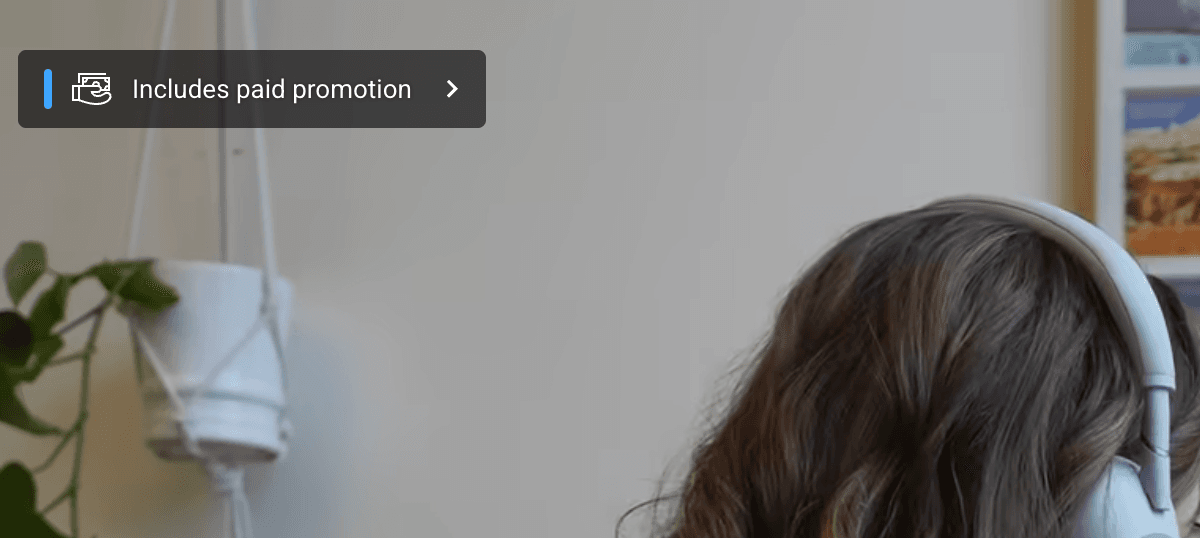
YouTube’s paid-promotion indicator makes the commercial relationship visible to viewers.
Make the proposal easy to evaluate
Before sending the offer, attach or link to the proof a brand needs to judge the format:
- Channel positioning and audience fit.
- Average views from comparable videos, not only the best-performing upload.
- Recent examples of integrations, reviews, tutorials, or other relevant work.
- Expected timeline and approval points.
- Deliverables, exclusions, usage rights, exclusivity, and reporting.
A current YouTube media kit can organize the channel context, audience data, content examples, and sponsorship options in one place. For audience proof, a YouTube engagement rate calculator can provide another input, but it should support the proposal rather than replace recent view and audience-fit evidence.
The practical answer
Offer an integration when the sponsor can add value to a video your audience already wants to watch. Offer a dedicated video when the brand needs the whole concept to explain, demonstrate, or review the product. In both cases, the proposal should describe the audience promise, production work, approvals, distribution, reporting, rights, and disclosure responsibilities.
The clearest sponsorship offer is not the one with the most deliverables. It is the one that makes the format and the tradeoffs easy for a brand to understand.