


Most creators think brands start with follower count. They do look at it, but it is rarely the whole decision.
A brand is usually asking a more practical question: can this creator help the brand reach the right people without making the campaign feel risky?
That is why smaller creators can still win paid collaborations. If the audience is clear, the comments feel real, the content fits the brand, and the creator looks easy to work with, the profile can be much more attractive than a bigger account with messy positioning.
This guide breaks down what brands usually check before offering a deal, and how to make those signals easier to see.
Audience fit comes first
The first thing brands check is whether your audience looks like their customer.
A skincare brand does not only care that you have beauty content. It wants to know whether your followers care about skincare, buy similar products, live in the markets the brand sells to, and trust your recommendations.
That is why a focused creator can be more valuable than a broad creator. A smaller account with a clear audience is easier to understand. The brand can quickly see who follows you, why they follow you, and whether that audience matches the campaign.
Good audience fit usually comes from three things:
- A clear niche or repeatable content theme
- Followers who match the brand’s target customer
- Content that already attracts the type of buyer the brand wants
If a brand has to guess who your content is for, the deal becomes harder to approve.
Instagram’s own creator resources are a useful reminder that brands evaluate more than one post. They look at the full profile, the content pattern, and whether the creator’s audience makes sense for the campaign. Instagram for Creators is a good external reference point for how platforms frame creator presence and account quality.
Engagement quality matters more than a big number
Brands know follower counts can be misleading. Some accounts have large audiences but weak comments, low saves, and very little trust. Others have smaller audiences but strong conversations under every post.
The useful question is not only “how many people saw it?” It is also “did the right people care?”
Brands usually look for signs like:
- Comments that sound specific, not generic
- Saves and shares on educational or useful posts
- Followers asking questions or requesting links
- People mentioning products, routines, tools, or results
- A community that seems to recognize the creator’s taste
That is why engagement rate is only the starting point. A 4% engagement rate with thoughtful comments can be more convincing than an 8% rate filled with one-word replies.
Your content tells brands where they can fit
Brands scroll your profile before they email you. They are not only checking if the content looks good. They are trying to picture where their product would naturally belong.
If every post feels random, the fit is harder to imagine. If your content has clear formats, repeatable topics, and a recognizable point of view, the brand can see the campaign more quickly.
This is where organic content matters. A creator who already talks naturally about products, tools, routines, destinations, apps, meals, outfits, or workflows gives brands a preview of what a collaboration could feel like.
The best signal is content where a brand could fit without the post suddenly feeling like an ad.
That is the point worth taking from this example: brands are not only looking for a creator who can make sponsored content. They are looking for a creator whose normal content already gives the brand a believable place to appear.
Profile basics still matter
A brand can like your content and still move on if your profile feels hard to work with.
The basics are simple, but they make a difference:
- A clear profile photo
- A bio that explains what you create and for whom
- A professional email address
- Links that work
- Recent content that matches your niche
- No confusing mix of unrelated topics
Your profile is the first pitch, even when you have not sent an email yet. It should make the next step obvious.
If a brand has to dig through old posts, guess your niche, or search for a contact email, the opportunity can disappear before a conversation starts.
Brand safety is part of the decision
Brand safety does not mean being boring. It means the brand feels comfortable being associated with your content.
Brands usually check whether your posts, comments, jokes, language, and public behavior match the level of risk they can accept. Some brands are relaxed. Others are careful because they have legal teams, retailers, investors, or a broad customer base to consider.
Creators can lose deals because of:
- Content that feels too controversial for the brand
- Aggressive replies in comments
- Old posts that clash with the campaign
- Unclear disclosures around past sponsorships
- A tone that does not match the product
This is not about becoming generic. It is about knowing what kind of brands you want to attract and making sure your public presence supports that direction.
Brands want proof, not just potential
A brand deal is easier to approve when the creator can show proof.
Proof does not have to mean a huge case study. It can be simple:
- A previous sponsored post with strong comments
- Screenshots of saves, shares, clicks, or replies
- A recap from a past collaboration
- Organic content where a product mention performed well
- Testimonials from brands or clients
If you have not done paid deals yet, proof can come from organic posts. A creator who naturally features a product and gets useful comments is already showing collaboration potential.
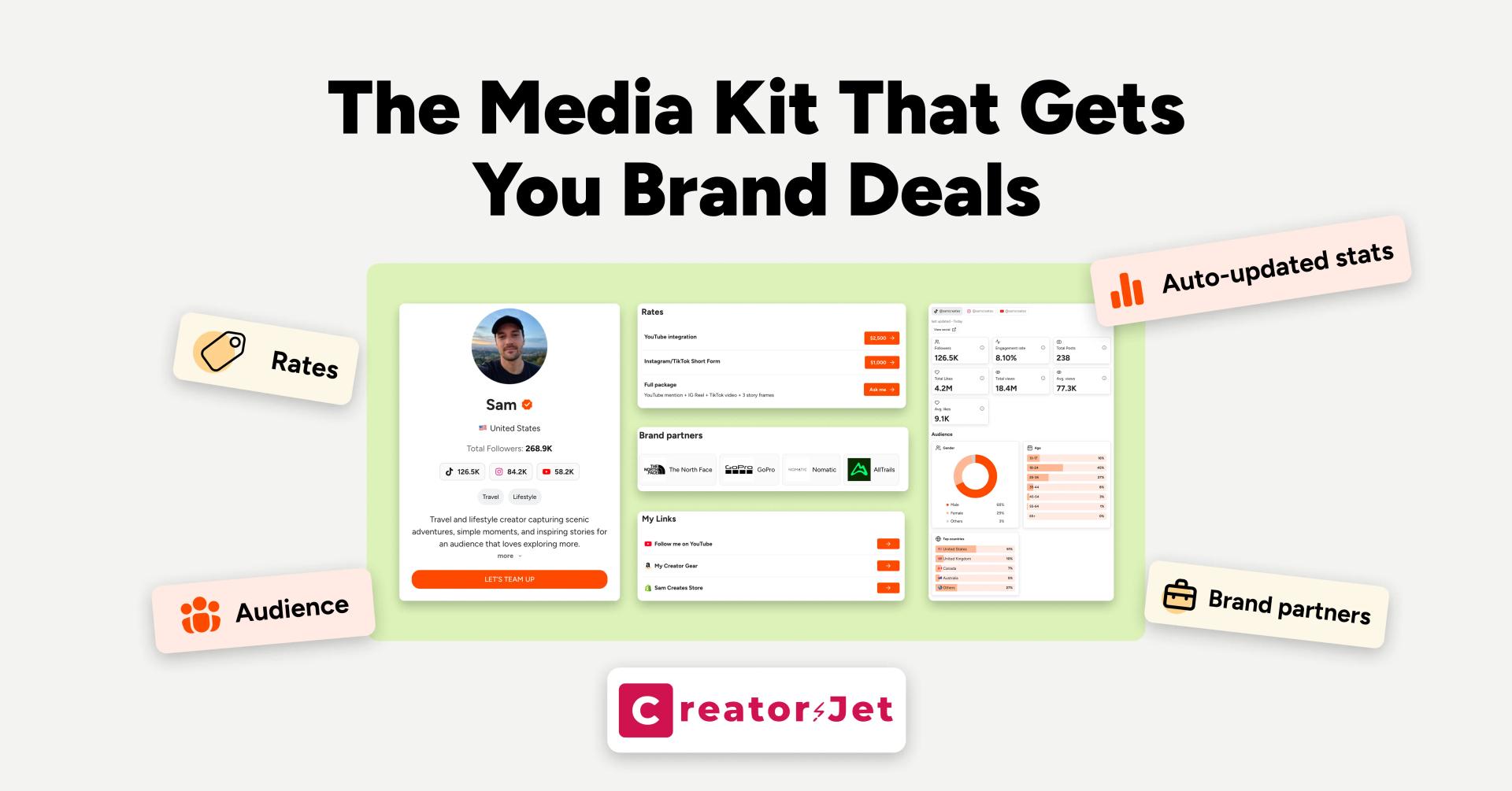
This is also where a influencer media kit helps. It gives brands one place to check audience data, content examples, previous collaborations, rates, and contact details without asking for scattered screenshots.
Pricing and deliverables need to be clear
Brands do not expect every creator to have a perfect rate card. They do expect clarity.
If a brand asks what you charge and the answer is vague, the deal slows down. If you can explain your deliverables, usage rights, timeline, and starting rate, the conversation feels easier.
At minimum, be ready to explain:
- What is included in the package
- How many posts, stories, videos, or edits the brand gets
- Whether usage rights are included
- Whether exclusivity costs extra
- How long the brand can use the content
- When drafts and final files will be delivered
For pricing direction, influencer rate benchmarks can help you sanity-check your starting point before you reply to a brand.
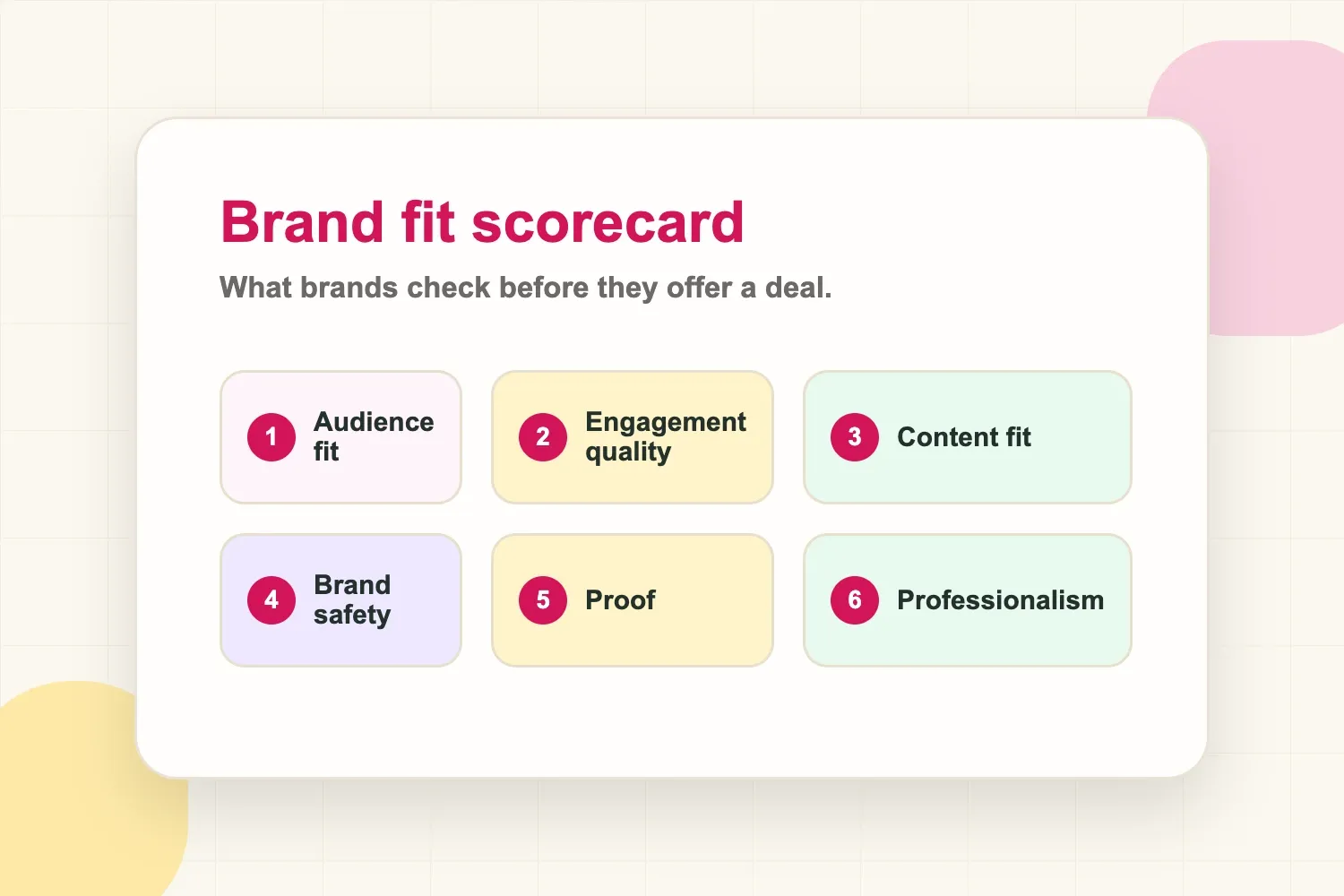
What brands check before offering a deal
| Signal | What the brand is checking | How to improve it |
|---|---|---|
| Audience fit | Whether your followers match their buyer | Make your niche and audience clear |
| Engagement quality | Whether people trust and react to your content | Create posts that invite real comments, saves, and shares |
| Content fit | Whether the product could appear naturally | Build repeatable formats brands can understand |
| Profile setup | Whether you look easy to contact and evaluate | Add a professional email, clear bio, and working links |
| Proof | Whether you can show past results | Keep screenshots, recaps, and examples ready |
| Professionalism | Whether the collaboration will be smooth | Reply clearly, meet deadlines, and define deliverables |
Your media kit makes the decision easier
Brands are busy. They may be reviewing dozens of creators for one campaign, so the easier your profile is to evaluate, the better.
A good media kit should answer the questions a brand already has:
- Who is this creator?
- Who follows them?
- What platforms do they use?
- What kind of content do they make?
- What results have they produced before?
- What packages or deliverables can they offer?
- How can the brand contact them?
The goal is not to make the media kit look fancy. The goal is to remove uncertainty.
How to look more brand-ready
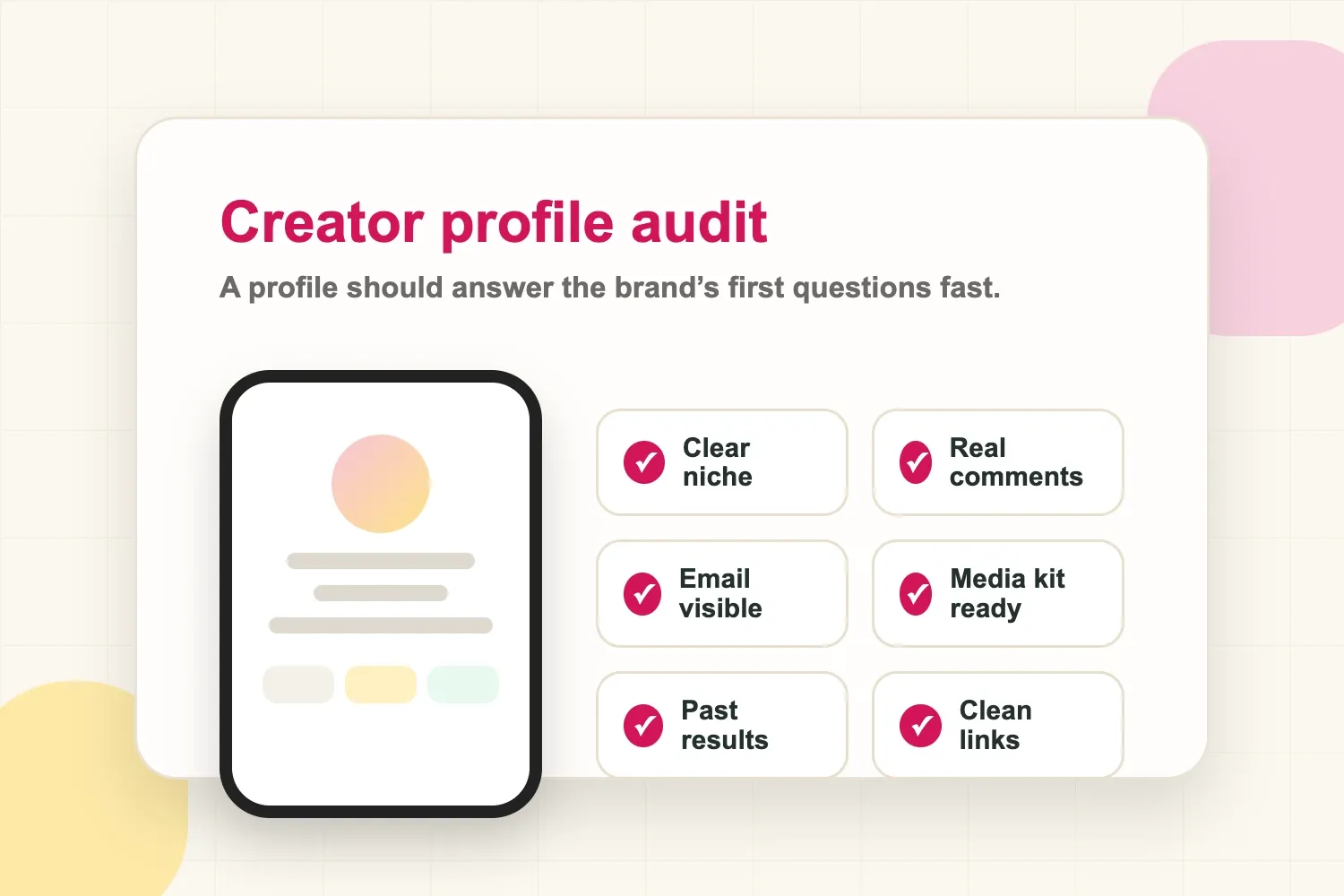
You do not need to rebuild your whole presence overnight. Start with the signals that make the biggest difference.
First, make your niche easier to understand. A brand should know within a few seconds what you create and who your content helps.
Second, clean up your profile. Add a professional email, remove broken links, update your bio, and make sure your recent posts match the type of collaborations you want.
Third, collect proof. Save screenshots of strong comments, shares, saves, reach, link clicks, and past campaign results. Do this before you need them.
Fourth, make pitching easier. A simple influencer pitch email template can help you explain why the collaboration makes sense without sounding generic.
Final thoughts
Brands are not only looking for creators with attention. They are looking for creators who make the collaboration feel clear, relevant, and low-risk.
Follower count can open the door, but audience fit, trust, content quality, proof, and professionalism are what usually move the deal forward.
If your profile makes those signals obvious, you do not need to convince every brand. You only need the right brands to quickly understand why working with you makes sense.