

Brands are still spending on influencer partnerships in 2026, but the creators who get replies are not always the ones with the biggest follower count. They are usually the creators who can show audience fit, clear content ideas, reliable proof, and a clean commercial offer.
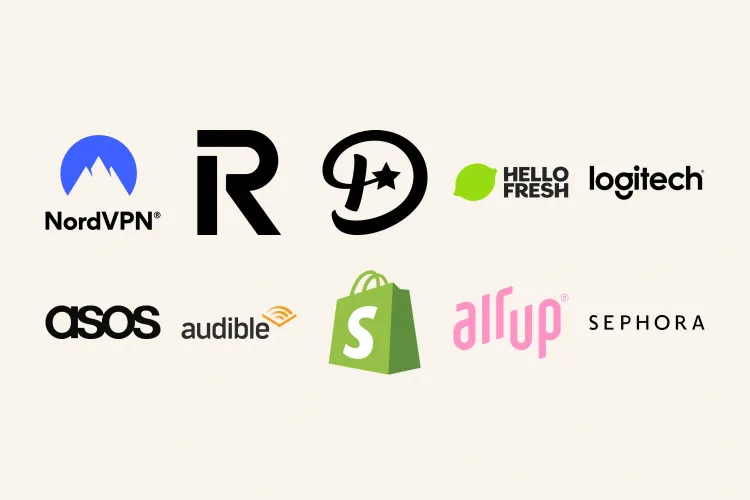
This list keeps the same ten brands from the original article: NordVPN, HelloFresh, Revolut, Displate, Logitech, ASOS, Audible, Shopify, Air Up, and Sephora. The goal is not to pretend every creator should pitch all ten. The useful move is to understand which brand fits which creator niche, then build a pitch that makes the partnership easy to evaluate.
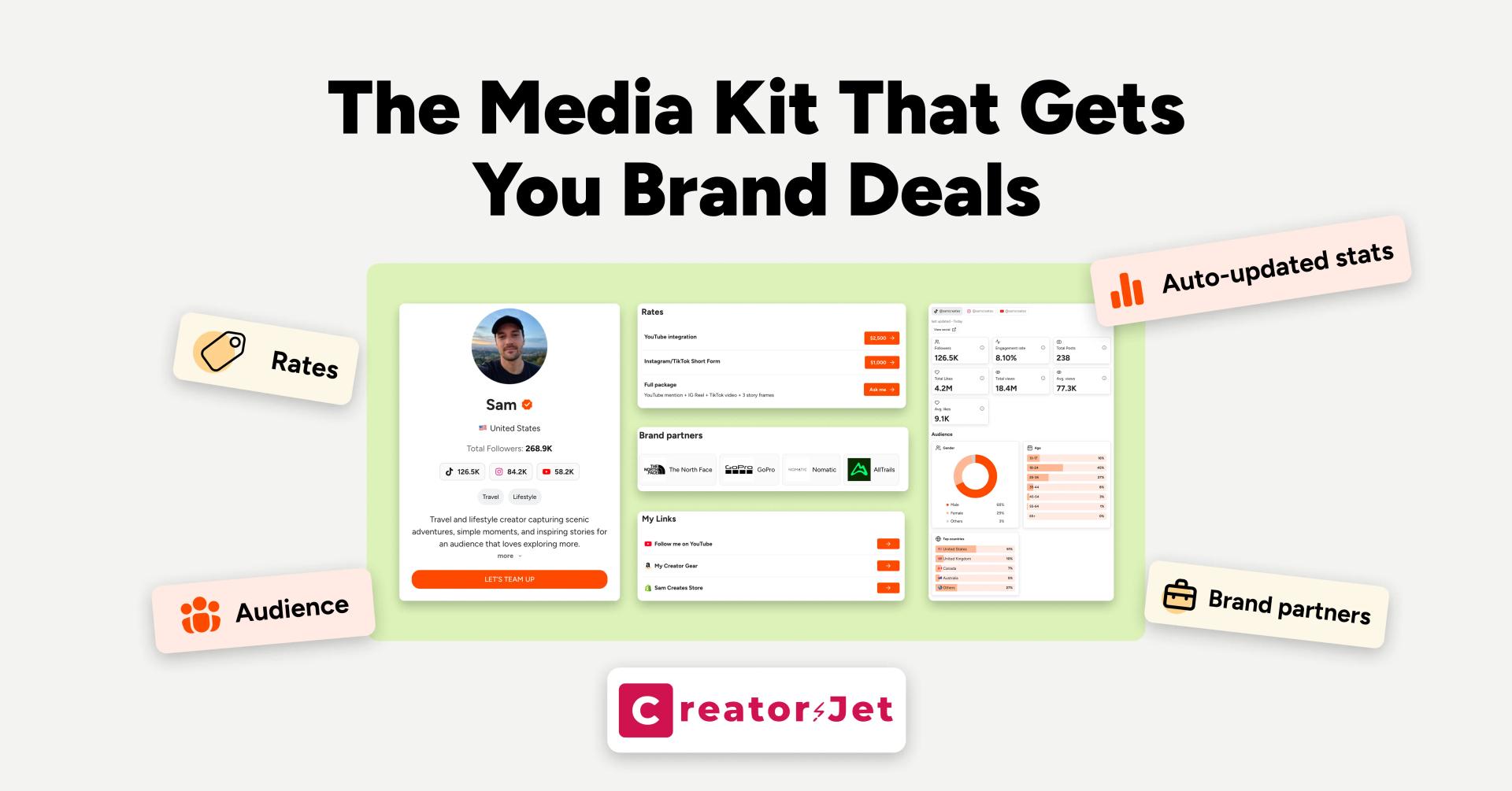
If a brand asks for more context, a polished influencer media kit should show audience demographics, platform performance, previous collaborations, sample content, and clear contact details. For paid Instagram deliverables, a pricing tool like the Instagram pricing calculator can also help creators sanity-check rates before sending a quote.
How this list should be used
These brands are not interchangeable. A gaming creator, a beauty creator, and a personal finance creator may all want paid collaborations, but the brand fit, campaign concept, proof, and pricing logic will be different.
The best way to use this list is to ask four questions before pitching:
- Does the brand match the audience? A creator with a student finance audience has a clearer reason to pitch Revolut than Sephora.
- Can the content feel natural? A brand deal should look like a useful post, not an interruption.
- Can the creator show proof? Brands care about views, saves, clicks, comments, audience quality, and past campaign examples.
- Is there a clear deliverable? One Reel, three Stories, one YouTube integration, an affiliate test, or a usage-rights package are easier to approve than a vague collaboration request.
Top 10 brands collaborating with influencers in 2026
1. NordVPN
Why creators pitch it: NordVPN fits naturally into content about privacy, travel, gaming, remote work, software, productivity, and online safety.
NordVPN has long been visible across YouTube, podcasts, creator newsletters, and affiliate-driven creator campaigns. It works especially well when the creator can explain the product through a real use case: protecting accounts while traveling, keeping gaming sessions safer, or making remote work less risky.
Best for: Tech creators, productivity creators, gaming channels, cybersecurity explainers, remote work creators.
Pitch angle: Show a specific audience problem. A generic "my followers would love this" pitch is weaker than a short concept like "three privacy mistakes travelers make when using public Wi-Fi."
2. HelloFresh
Why creators pitch it: HelloFresh is easy to demonstrate because the product naturally creates content: unboxing, recipes, family routines, meal prep, budget planning, and wellness habits.
The brand can work for food creators, parents, fitness creators, students, busy professionals, and lifestyle creators. It is especially relevant when the creator can connect the product to a repeatable routine rather than a one-off sponsored mention.
Best for: Food, parenting, wellness, fitness, home, lifestyle, student-life creators.
Pitch angle: Lead with a content series idea. For example: "five 20-minute dinners for creators filming after work" is more concrete than "a meal-kit review."
3. Revolut
Why creators pitch it: Revolut fits creators who talk about money movement, travel spending, budgeting, digital banking, or the practical side of managing creator income.
Finance brands usually need more trust than trend-based products. A Revolut pitch should make the content feel useful and compliant, not like financial hype. The safest angle is practical education: travel fees, budgeting abroad, splitting expenses, subscriptions, or creator business organization.
Best for: Personal finance, travel, remote work, student budget, digital nomad, freelancer, and creator-business content.
Pitch angle: Keep the promise narrow and helpful. A creator might pitch "how to organize travel spending for a month abroad" instead of making broad claims about financial results.
4. Displate
Why creators pitch it: Displate works well with fandom, gaming, anime, comics, collectibles, home setup, and creator studio content.
The brand has a strong visual product, which matters because creators can show it inside a setup, room makeover, desk tour, streaming background, or gift guide. It is also easier to make the integration feel organic when the creator's audience already cares about the characters, genres, or aesthetics behind the designs.
Best for: Gaming, anime, pop culture, fandom, Twitch streamers, desk setup creators, gift guides.
Pitch angle: Make the creative concept visual. A "before and after desk setup" or "three posters that match this gaming room" is easier to approve than a plain discount-code post.
5. Logitech
Why creators pitch it: Logitech has a clear place in creator workflows: cameras, microphones, keyboards, mice, streaming gear, workspace accessories, gaming peripherals, and productivity setups.
Logitech can be a fit for creators who already show how they work or play. The brand often makes more sense when the creator can demonstrate a practical upgrade: clearer video, cleaner audio, better desk ergonomics, a streaming setup, or a more efficient content workflow.
Best for: Tech, gaming, streaming, remote work, productivity, workspace, education creators.
Pitch angle: Show the before-and-after value. Brands can evaluate a pitch faster when the content idea proves why the product belongs in the creator's setup.
6. ASOS
Why creators pitch it: ASOS fits fashion, styling, seasonal hauls, outfit transitions, event dressing, and trend interpretation.
Fashion partnerships are crowded, so ASOS creators need a clear point of view. The best pitches usually focus on a style problem or repeatable format: capsule outfits, creator event looks, affordable trend tests, size-inclusive styling, or "one item, five outfits."
Best for: Fashion, lifestyle, beauty, student style, Gen Z culture, seasonal shopping, outfit creators.
Pitch angle: Pitch a format, not just a haul. A repeatable styling series gives a brand more reason to test the creator again.
7. Audible
Why creators pitch it: Audible can work across BookTok, self-development, productivity, education, parenting, storytelling, language learning, and podcast-adjacent content.
The brand is flexible because audio fits many creator routines: commuting, workouts, editing, studying, chores, or winding down. The most credible integrations explain the specific listening moment and why the audience would care.
Best for: BookTok, education, productivity, self-growth, parenting, podcasting, storytelling creators.
Pitch angle: Tie the recommendation to a real routine. "Books to listen to while editing videos" is more believable than a generic app mention.
8. Shopify
Why creators pitch it: Shopify fits creators who teach business, e-commerce, side hustles, product launches, digital products, merch, and creator monetization.
Shopify also has an official affiliate program, which makes it easier for educators and business creators to frame a partnership around tutorials, store setup, launch checklists, and founder stories.
Best for: E-commerce educators, entrepreneurs, business creators, digital product sellers, merch creators, side-hustle channels.
Pitch angle: Show educational authority. A tutorial, case study, checklist, or creator-store teardown is usually more convincing than a simple product shoutout.
9. Air Up
Why creators pitch it: Air Up is visually simple, product-led, and easy to connect to wellness, hydration, school, travel, fitness, and lifestyle routines.
The brand works best when the content shows the product in use rather than only talking about it. A creator can build a short-form concept around taste tests, daily routines, gym bags, student desk setups, or "things that make drinking water easier."
Best for: Wellness, lifestyle, fitness, school, Gen Z, routines, travel, productivity creators.
Pitch angle: Keep the content sensory and practical. The product needs to be understood quickly, so short-form demonstrations usually fit better than a long explanation.
10. Sephora
Why creators pitch it: Sephora has credibility in beauty, skincare, makeup, fragrance, tutorials, product discovery, and creator-led recommendations.
Sephora's public Sephora Squad program also shows why beauty brands care about more than follower count. They look at voice, community, content quality, consistency, and trust.
Best for: Beauty, skincare, fragrance, makeup tutorials, product reviews, GRWM, lifestyle creators.
Pitch angle: Lead with proof of trust. Saves, comments, product-question DMs, before-and-after examples, and repeat beauty formats can matter more than a single viral post.
What these brands have in common
The brands on this list sit in different categories, but the creator selection logic is similar. They usually want creators who can make the product feel natural, explain the value quickly, and give the brand confidence that the audience is relevant.
That means a better pitch is not just "here are my stats." It connects the creator's audience to the brand's business goal.
Useful proof can include:
- Average views by format.
- Engagement rate by platform.
- Saves, shares, replies, clicks, or watch time.
- Previous brand examples.
- Audience demographics.
- Content formats the creator can repeat reliably.
- A short idea that already feels like a real post.
How to pitch these brands without sounding generic
For a brand list article, the easy mistake is to send the same message to all ten companies. That usually reads as lazy outreach.
Instead, build the pitch around a simple fit stack:
1. Start with the audience fit
The first sentence should make the brand understand why the creator is relevant. A fashion creator pitching ASOS should not sound like a tech creator pitching NordVPN.
Good audience-fit proof might be:
- "Most of my audience is women aged 18-30 interested in affordable styling."
- "My YouTube audience watches desk setup and productivity videos."
- "My TikTok followers often ask for skincare routines under a specific budget."
2. Show one content idea
Brands are busy. A specific idea is easier to evaluate than a vague request to collaborate.
The idea should connect product, audience, and format. For example:
- NordVPN: a travel safety checklist.
- HelloFresh: a weeknight meal-prep series.
- Logitech: a creator desk upgrade.
- Sephora: a seasonal routine using a clear skin concern.
3. Share proof without dumping every metric
Creators do not need to send every analytics screenshot in the first message. A tight pitch can include two or three proof points, then the media kit can hold the deeper data.
Good proof is specific: average Reel views, Story link clicks, YouTube retention, saves on product posts, past brand results, or audience demographics.
4. Make the offer clear
Brands should understand what they are buying. A useful offer might include format, deliverables, timeline, usage rights, and rate range.
For example: one Reel, three Story frames, 30-day usage rights, and a post-campaign performance recap is clearer than "open to collaboration."
Quick comparison: which brand fits which creator?
- Tech, privacy, gaming: NordVPN or Logitech.
- Food, family, wellness routines: HelloFresh or Air Up.
- Money, travel, digital business: Revolut or Shopify.
- Gaming, fandom, storytelling: Displate or Audible.
- Fashion, beauty, trend-led content: ASOS or Sephora.
The best brand is not always the biggest name. It is the brand where the creator can make the partnership feel obvious to the audience.
Final takeaway
These ten brands are useful targets because they already understand creator partnerships, affiliate models, product-led content, or community-driven recommendations. But the ranked list is only the starting point.
Creators get better results when they pitch fewer brands with sharper logic: audience fit, useful content idea, credible proof, and a clear offer. That is what turns a brand list into a real partnership pipeline.