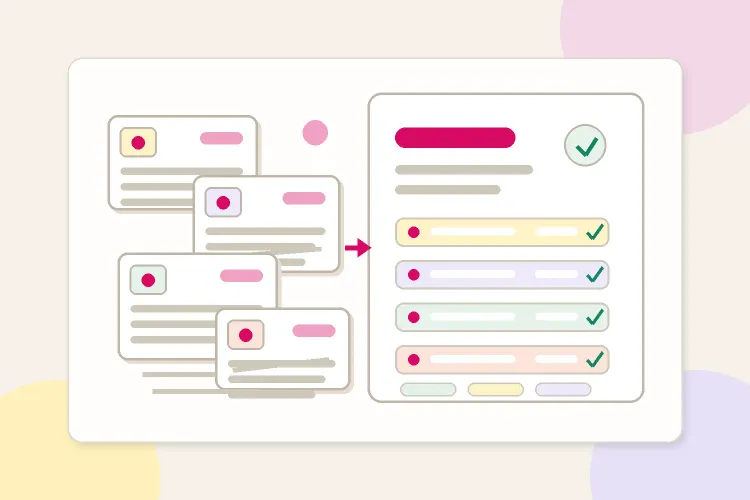


Small creators often think they need more followers before they can look professional. Brands usually see it differently. A small creator can look serious early if their profile, proof, communication, offer, and follow-through make the collaboration easy to understand.
Professional does not mean corporate, fake, or overdesigned. It means a brand can quickly answer four questions: what you create, who you reach, what proof you have, and what it would be like to work with you.
This guide shows how to look professional as a small creator without pretending to be bigger than you are.
What professional means to a brand
To a brand, professionalism mostly means lower risk.
A brand wants to know whether your content style fits, whether your audience makes sense, whether you can deliver on time, and whether communication will be clear. If those points are easy to check, your follower count matters less. If those points are unclear, even good content can feel risky.
The goal is not to impress every brand. The goal is to make the right brand feel confident enough to continue the conversation.
Make your profile clear in 10 seconds
Your profile is the first professionalism test. A brand should understand your niche before reading ten captions.
Use a clear profile photo, a simple bio, a contact path, and pinned posts that match the work you want more of. If you create travel content but your pinned posts are old memes, the profile sends mixed signals. If you want UGC work, pin examples that show product framing, hooks, lighting, voiceover, or editing range.
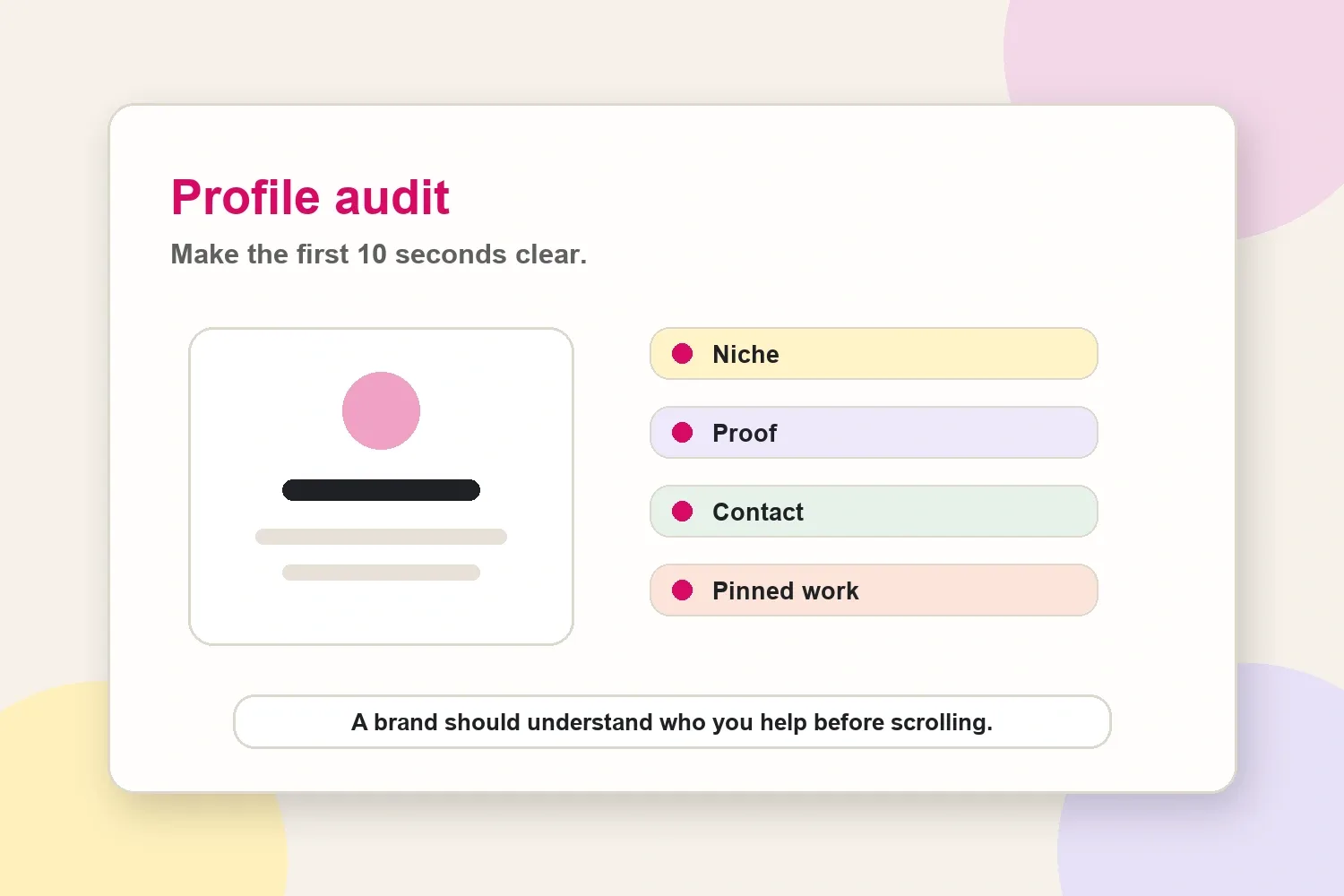
Use this quick profile audit:
| Profile signal | Professional version |
|---|---|
| Bio | Says who you help, what you create, and your niche |
| Pinned posts | Show the style of paid or brand-friendly work you want |
| Contact | Email, form, or media kit link is easy to find |
| Proof | Recent results, testimonials, or audience fit are visible |
Do not turn your profile into a sales page. Keep it human. The point is to remove confusion, not personality.
Stop sending loose screenshots
Screenshots can be useful as proof, but they look improvised when they are sent as a messy folder or random chat attachment.
Professional creators organize their numbers. You do not need huge stats. You need the few numbers a brand can compare: audience size, average reach or views, engagement rate, audience location, and recent content examples.
Small numbers can still look credible when they are honest, recent, and presented clearly. A creator with 4,000 followers and a focused audience can look more professional than a creator with 40,000 followers and no useful proof.
Build a simple media kit
A media kit is not there to make you look famous. It is there to make you easy to evaluate.
For a small creator, keep it short. Include who you are, what you create, your main platforms, audience basics, recent average performance, content examples, collaboration options, and contact details. If you already have rates, include them. If rates depend on scope, say that clearly.
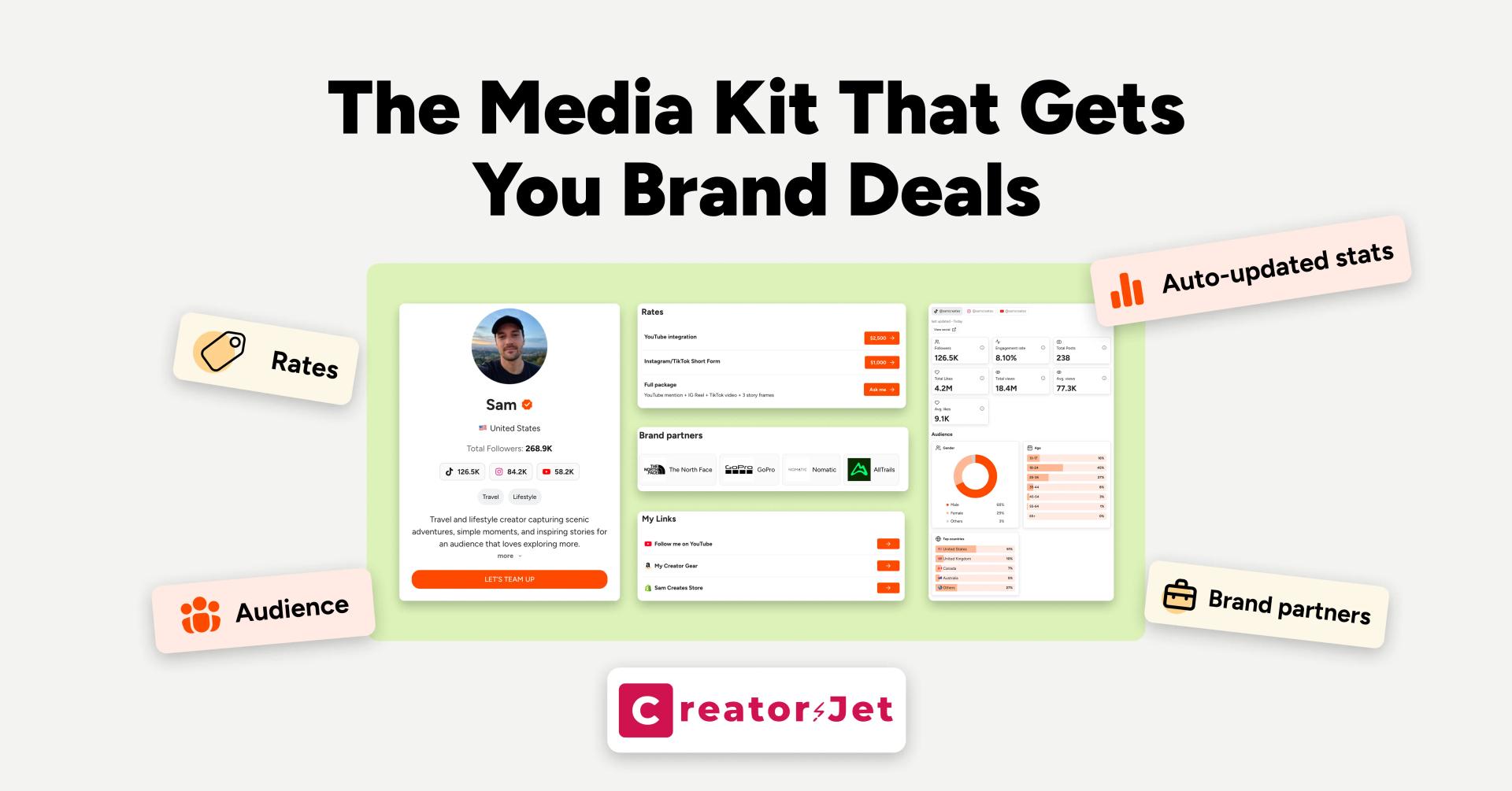
A dedicated media kit helps because it keeps the proof in one clean place instead of sending screenshots, PDFs, and links separately.
The practical version is simple: your media kit should make your niche, platforms, audience, and contact path visible fast.
A short media kit is usually better than a beautiful but vague one. Brands are not reading it like a portfolio site. They are scanning for fit: what you create, where your audience is, how your recent content performs, and whether contacting you feels easy.
Keep the first view focused on the decision-making information. Your bio can show personality, but your stats and examples should answer practical brand questions. If a brand has to ask for your audience location, recent reach, engagement, or best content examples after opening the kit, the kit is not doing enough work.
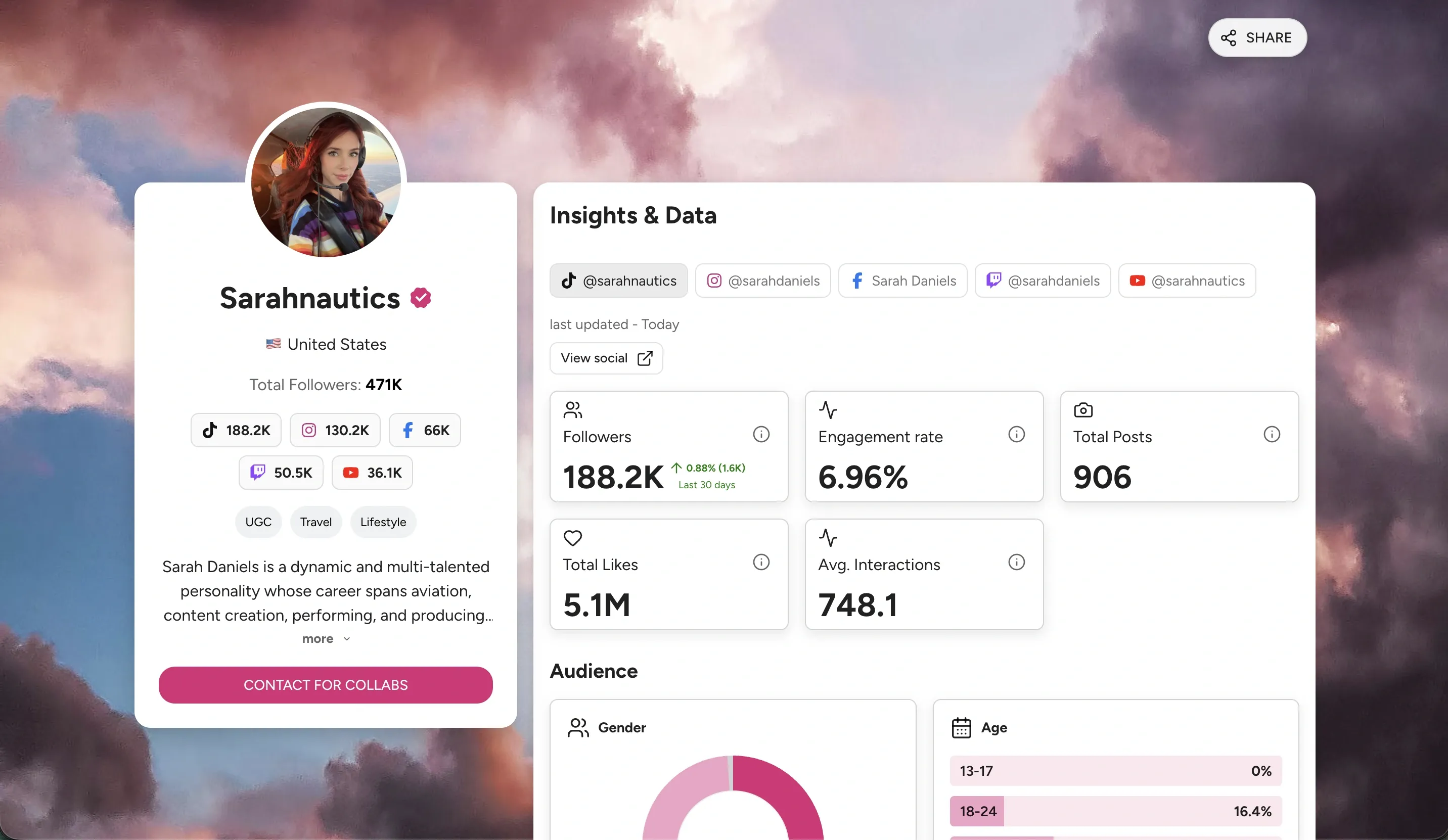
The screenshot above is the right level of detail: profile context, platform tabs, current follower totals, engagement data, audience information, and a contact button are all visible without making the brand ask for separate proof. A brand should be able to scan the page and understand both the creator’s audience and the next step.
Keep the media kit current. Stale numbers can hurt trust faster than small numbers.
Communicate like the collaboration already matters
Professional communication is calm, specific, and easy to reply to.
When a brand reaches out, acknowledge the message, confirm interest if it fits, and ask the few questions needed to understand the scope. When you pitch first, keep it short: who you are, why the brand fits your audience, and what kind of collaboration you can offer.
If you need a structure, use a proven influencer pitch email template, then adapt it so it sounds like you. The goal is not to sound formal. The goal is to make the next step obvious.
Avoid messages that make the brand do extra work:
- “Let me know if you want to collab.”
- “I can do anything.”
- “What is your budget?” before understanding the deliverables.
- Long paragraphs about your passion without a clear proposal.
Clear timelines, deliverables, usage rights, and payment terms make you feel easier to work with immediately.
Show what a brand can buy
A small creator looks more professional when the collaboration offer is easy to picture.
Do not only say that you are “open to collabs.” Show the types of work you can actually deliver: a short-form video, a product photo set, a story sequence, a review, a giveaway, a UGC ad, or a bundle of several assets. When the offer is concrete, the brand can imagine the campaign faster.
You do not need a long service menu. Two or three clear options are enough. Add one recent example beside each option when possible, so the brand sees both the format and the quality level.
Before pitching, use this quick brand-ready check:
| Brand-ready check | What a brand should see |
|---|---|
| Clear niche | Your content category and audience are obvious within 10 seconds |
| Easy contact | Email, form, or media kit link is visible without digging |
| Recent proof | Audience stats, reach or views, and examples are current |
| Pinned examples | Your best brand-friendly work is easy to find |
| Concrete offer | The brand can tell what formats you can deliver |
| Professional follow-through | Timelines, usage rights, and payment terms are easy to discuss |
If one of these signals is missing, fix that before worrying about a full rebrand. Small presentation gaps are usually easier to repair than creators think.
Be consistent before chasing viral growth
Going viral can create attention. Consistency creates trust.
Brands are often more reassured by a creator who posts regularly, understands their niche, and has predictable audience response than by a creator with one spike and no clear pattern. You do not need every post to perform. You need enough consistency for a brand to understand what they are buying.
Consistency also applies to your visual identity. Use a recognizable profile photo, similar editing quality, clear captions, and stable topics. You can evolve over time, but your account should not feel like a different creator every week.
Avoid habits that make you look less ready
Small mistakes can make a creator look harder to work with than they really are.
| Habit | What it signals | Better alternative |
|---|---|---|
| Slow replies | The collaboration may be hard to manage | Reply with a timeline, even if the full answer comes later |
| Unclear pricing | The scope may change mid-conversation | State what is included and what changes the price |
| Inflated claims | Proof may not be trustworthy | Use recent, honest numbers |
| Saying yes to everything | Boundaries may be weak | Explain what you can deliver well |
Professionalism is not about being perfect. It is about being clear before confusion becomes a problem.
Final takeaway
Looking professional as a small creator is a set of simple signals: a clear profile, organized proof, a useful media kit, clear collaboration options, calm communication, and consistent follow-through.
You do not need to look bigger than you are. You need to look prepared, honest, and easy to trust. That is often enough to make a small creator feel like a safer choice than a larger creator with messy presentation.