How Brand Collaborations Work: From First Contact to Payment
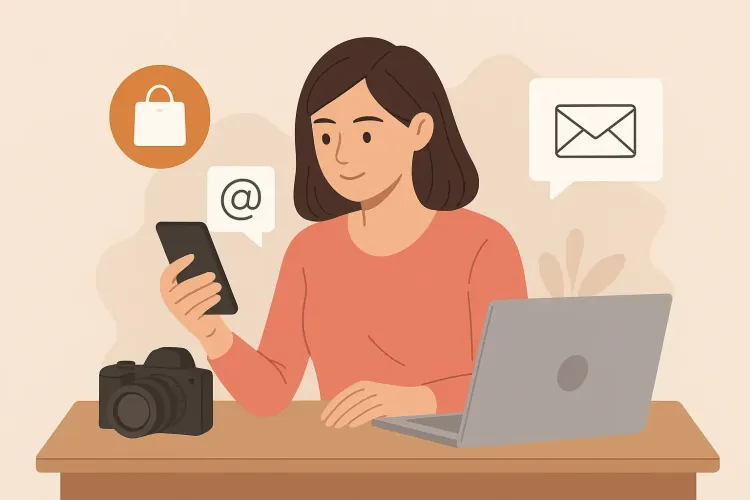
The complete timeline from DMs to contracts and everything in between
Brand collaborations may look simple on the surface, but behind a single sponsored post is a clear workflow involving outreach, negotiation, approvals, reporting, and payment.
Understanding this timeline helps you stay organised, negotiate confidently, and work with brands in a professional way that gets you invited back.
Stage 1: Initial Contact (Days 1 to 3)
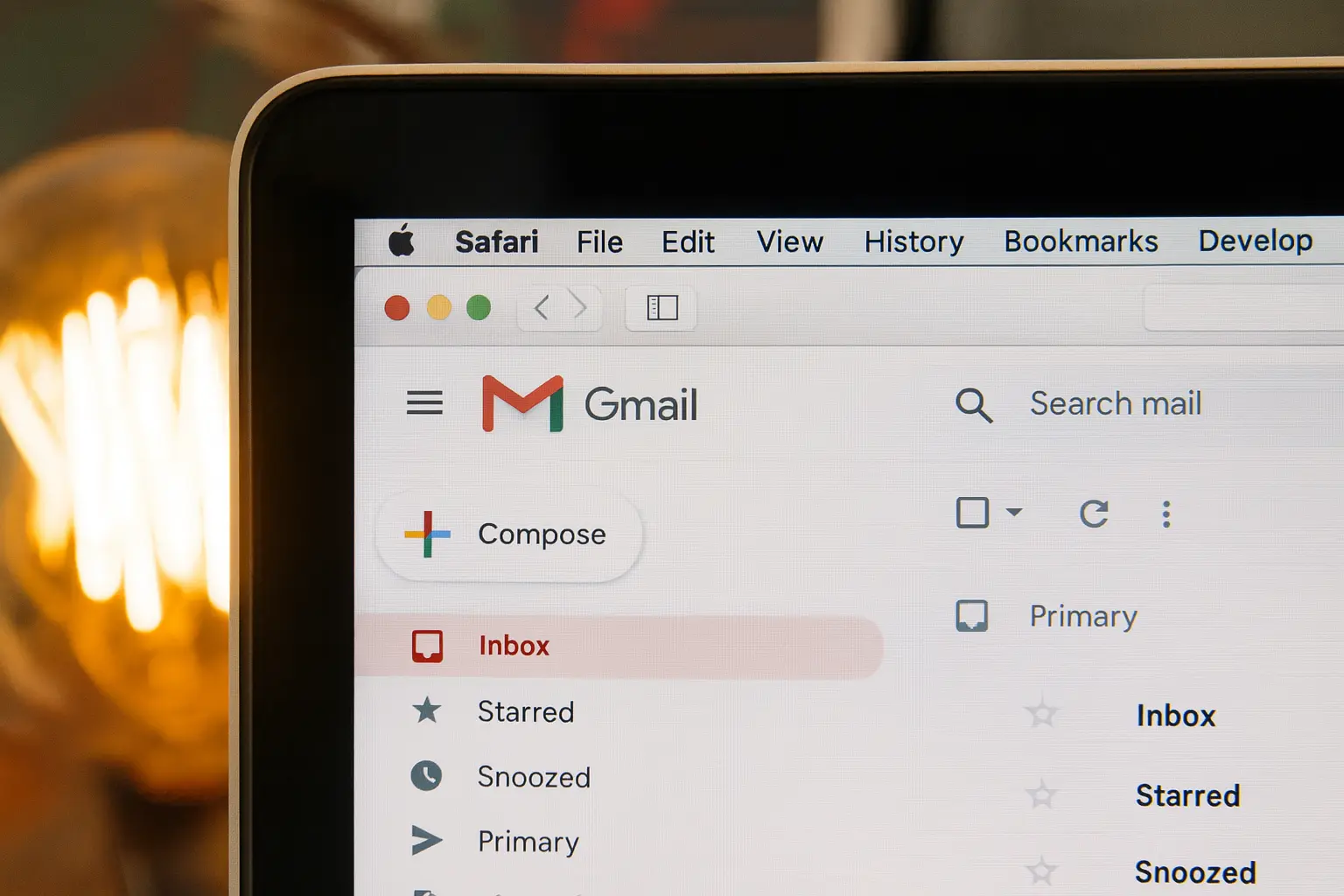
Collaborations often begin through direct brand outreach, an agency message, or a pitch you send yourself. According to the Influencer Marketing Benchmark Report, most brands now discover creators directly on social platforms, not via marketplaces.
The initial message usually introduces the brand, gives a sense of the collaboration, and asks for your media kit. Since it is one of the first things brands request, keeping yours updated is essential. You can build one easily using a professional media kit tool.
Respond within 24 to 48 hours. A quick reply helps secure your spot, especially when brands contact multiple creators at the same time.
Stage 2: Discovery and Briefing (Days 3 to 7)
Once interest is confirmed, the brand sends a brief or sets up a call. This is where you learn the campaign objective, audience, deliverables, tone, and timeline.
Usage rights are also clarified here. Research from the Association of National Advertisers shows that paid usage can significantly increase the value of creator content, especially when repurposed for advertising.
If something feels unclear or incomplete, the discovery phase is the right moment to ask questions.
Stage 3: Negotiation and Agreement (Days 7 to 14)
Once you receive the offer, evaluate the rate, deliverables, timeline, and especially usage rights. Brands expect negotiation, and clear reasoning always helps.
The contract formalises everything. Make sure it includes deadlines, usage rights, payment terms, revisions, exclusivity, cancellation rules, and disclosure requirements. Do not begin producing content before receiving a signed copy.
Stage 4: Creative Development (Days 14 to 21)
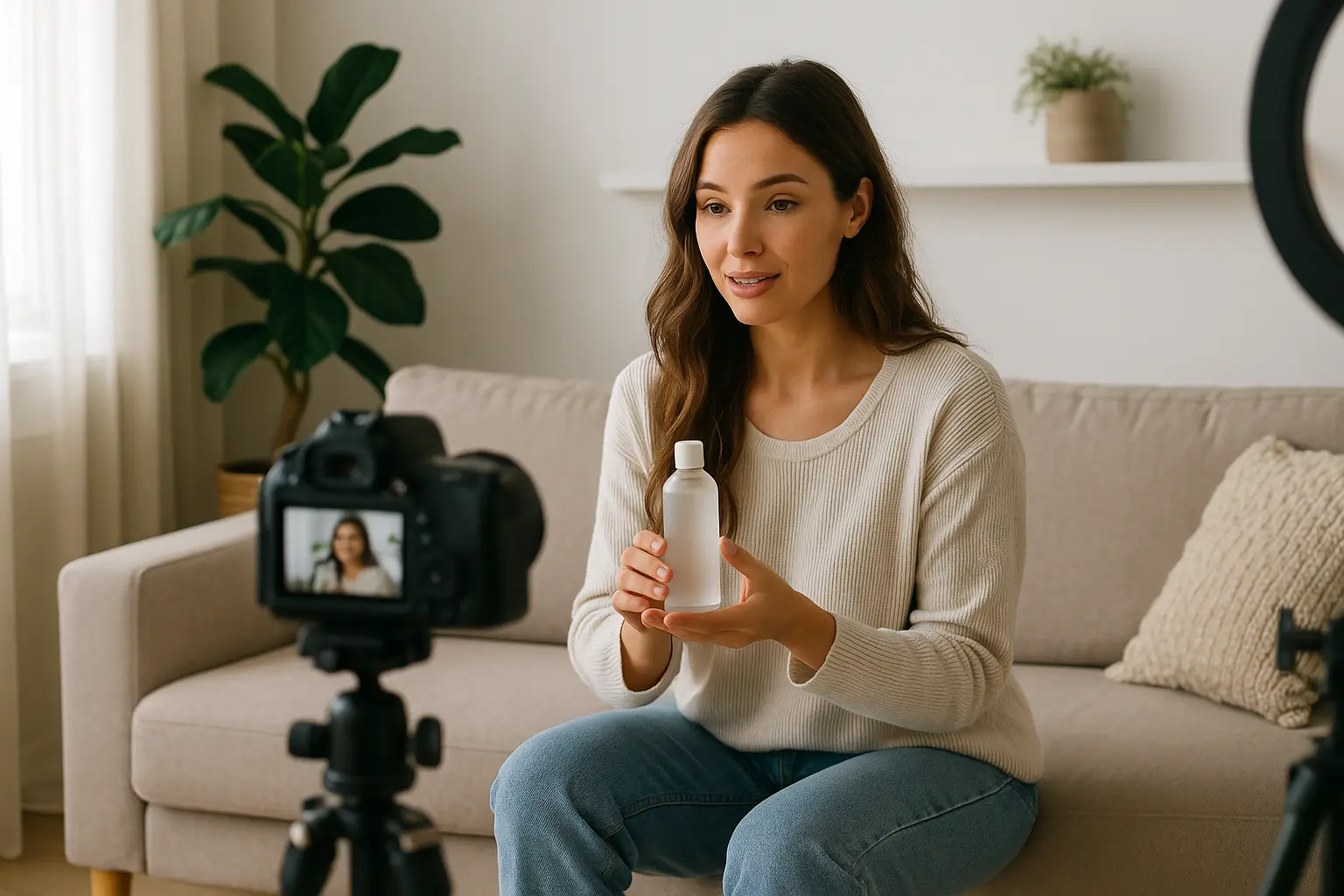
This is where you create the content in your own voice and style. Authenticity is the main reason brands choose creators in the first place.
A short outline can help you clarify your message and visuals. Focus on good lighting, clear audio, and natural integration of the brand. The FTC’s endorsement guidelines explain how to handle disclosures correctly for each platform.
Stage 5: Review and Approval (Days 21 to 28)
Almost all partnerships include a review phase. You will submit your final content along with the caption and posting date. Approval usually takes two to five business days.
Revision requests are normal. If a request requires a complete reshoot or goes beyond what was agreed, you can discuss alternatives or additional fees.
Once approved, get confirmation in writing.
Stage 6: Publication (Days 28 to 30)
Before posting, double-check your tags, hashtags, links, promo codes, and disclosure. After the post is live, send the brand a link and a screenshot.
Most creators stay active in the comments for 24 to 48 hours to improve performance. Contractually, you may need to keep the content online for 30 to 90 days.
Stage 7: Reporting and Wrap-Up (Days 30 to 45)
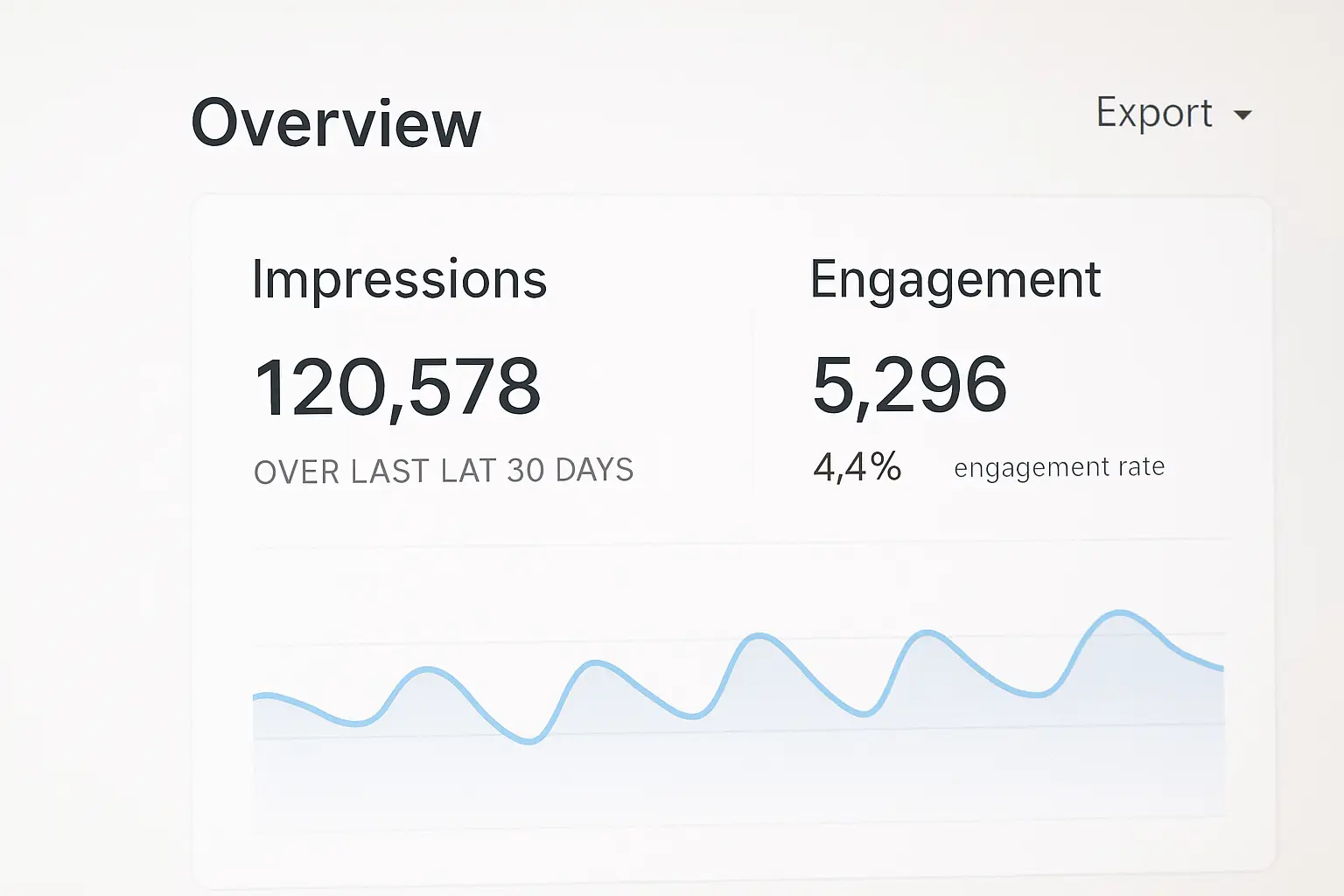
One to two weeks after posting, brands usually request performance metrics. By then, numbers have settled.
You will typically share impressions, reach, engagement rate, views, saves, shares, and link clicks. According to Statista’s influencer marketing insights, engagement quality is one of the top criteria brands evaluate when choosing creators for future campaigns.
Adding a brief insight about audience reactions can help build trust with the brand.
Stage 8: Invoicing and Payment (Days 30 to 90)
Once the campaign is complete, send your invoice unless the brand uses an automated system. Most brands operate on Net 30, although Net 60 is common for larger companies or agencies.
If payment is late, a polite reminder usually solves it. Keep all your documents organised for accounting and future reference.
Building Long-Term Brand Relationships
Brands love creators who deliver consistently, communicate clearly, and make the collaboration easy. After a few successful campaigns together, you can negotiate better rates, longer-term partnerships, or ongoing retainer-style collaborations.
Consistency leads to trust, and trust leads to repeat business.
Final Thoughts
Every successful collaboration follows a simple structure once you understand the stages. From the first message to the final payment, each part helps create a smooth and professional partnership.
Create your media kit with CreatorsJet
Stand out from the competition with a professional media kit created with CreatorsJet. Share all your social media analytics with the click of a button.
🚀 Create your media kit in minutes
✅ Automatically updated
💬 Share with the click of a button
free forever, no credit card required.
